This post contains Amazon affiliate links. When you purchase something from the link, I will receive a small commission to help support my blog. This comes at no cost to you; thank you!
When I was in high school, a group of friends and I were exploring a creekbed area in Charlotte on a summer afternoon. It was one of those days where the sky looked fine right above us, but a storm had been dumping rain somewhere upstream. The water came down to us fast. One minute we were messing around in a shallow creek, and the next we were scrambling up the banks to get out of the way. Nobody got hurt, but it stuck with me. That was the first time I realized how quickly things can go sideways outdoors when you’re not paying attention.
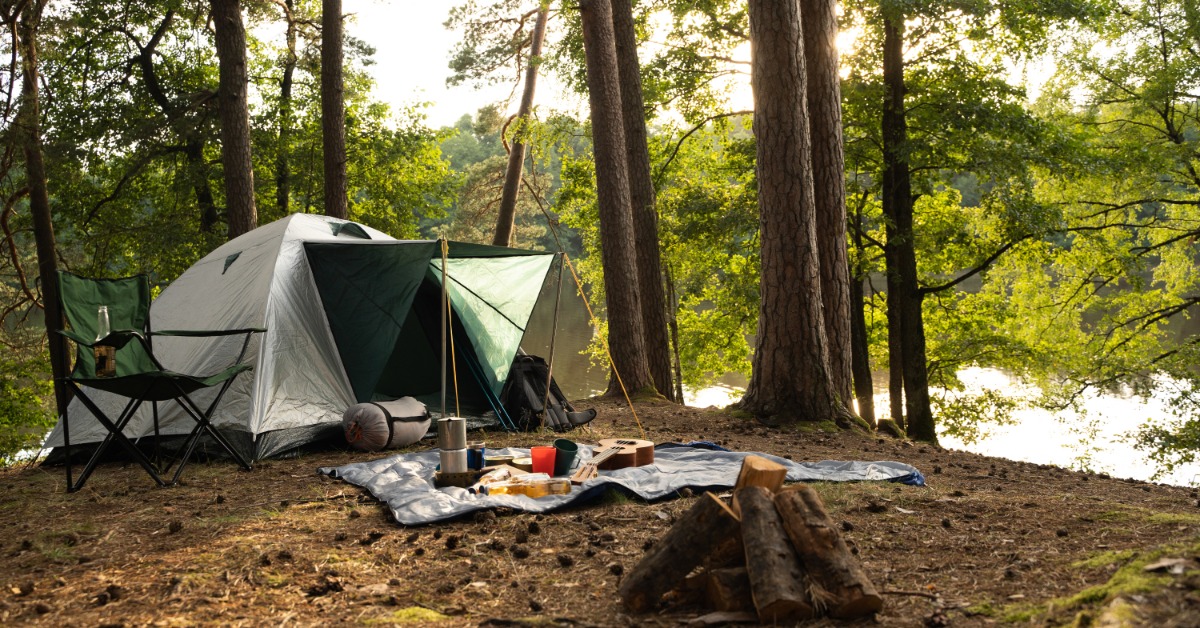
North Carolina offers campers an impressive range of outdoor experiences. You can spend a weekend in the mountains at a primitive site in Uwharrie National Forest, car camp along a forest road in Pisgah National Forest, or settle into a coastal campground near the ocean. Each setting has its own beauty, but each also comes with real hazards that you need to respect.
A safe trip starts with preparation. Weather, wildlife, terrain, fire, and even your camping gear can create problems when you overlook basic precautions. I’ve spent years camping across this state, and knowing what to watch for has made the difference between a good trip and a bad one more times than I can count. Here’s what I think every NC camper should have on their radar.
NC Weather Changes Fast
North Carolina weather can change quickly, especially in the mountains. A sunny morning can turn into an afternoon thunderstorm with almost no warning. I always check the forecast before leaving home and keep an eye on radar throughout the trip. That habit started after the creekbed incident I mentioned, and it hasn’t let me down since.
Thunderstorms can bring heavy rain and strong winds. Lightning is a serious threat in exposed areas. If a storm is rolling in, move away from open fields, isolated trees, and bodies of water.
Keep rain gear accessible instead of buried at the bottom of your pack. A dry change of clothes can also help you stay comfortable when temperatures drop after a storm passes through.
Flash Floods Are No Joke
Heavy rain can make streams and rivers rise fast. If you’re camping near low-lying areas, pay close attention to rainfall upstream. Water can reach your campsite even when the rain where you are seems light. I learned this the hard way in Charlotte as a kid, and it changed how I approach every camping trip near water.
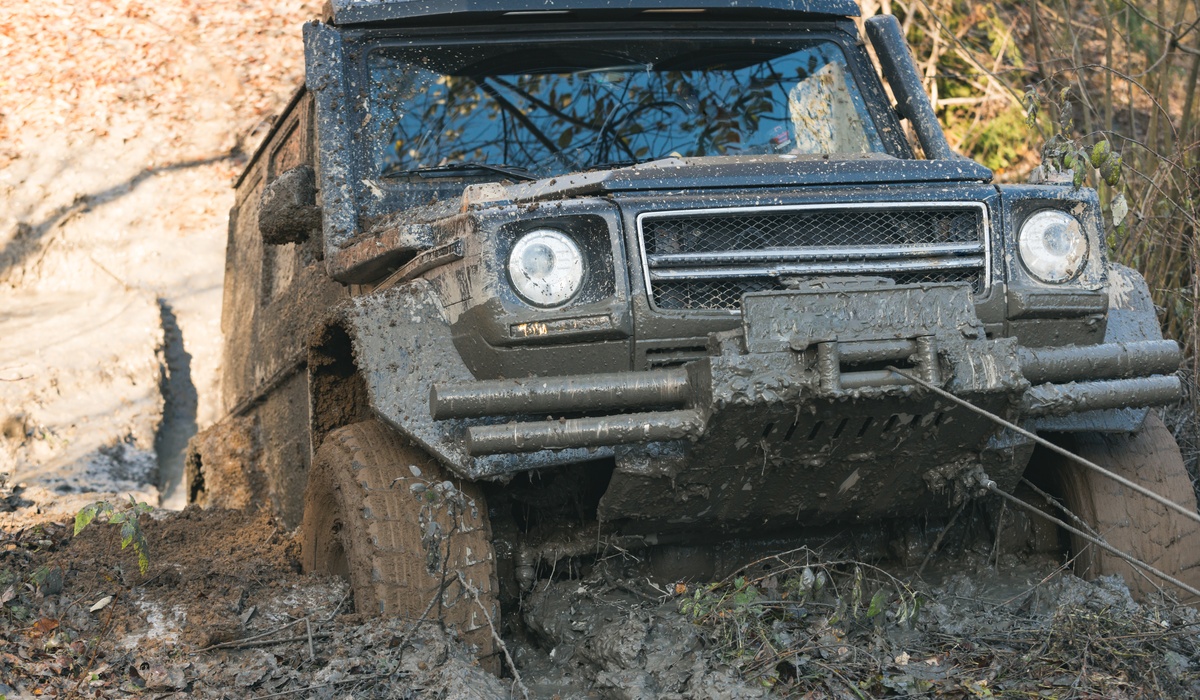
These days, I always check radar before hanging around creeks or other water sources that might flash flood. I also avoid sketchy water crossings in the Bronco because you simply don’t know the depth. It might look like six inches, but it could be two feet with a washed-out bottom underneath.
Choose campsites on higher ground whenever possible. Avoid pitching a tent in dry creek beds or depressions where water could collect. If water starts rising around your camp, move to higher ground immediately. Don’t try to drive or walk through fast-moving water.
Heat Will Drain You Faster Than You Think
Summer temperatures in NC can be brutal, especially in the Piedmont and along the coast. Heat drains your energy faster than most people expect, and I have a story that drives this home.
Back in high school, a friend and I found an unmarked trail and decided to hike it. We didn’t bring water because we figured it would be a quick, easy walk. It wasn’t. The trail was overgrown and way longer than we expected. By the time we finally pushed through to a clearing near a neighborhood, my friend was nearly passing out. I ran to find water while they rested. Looking back, leaving them alone wasn’t the best call either, but we were young and didn’t know any better. It worked out, but it didn’t have to.
Drink water regularly throughout the day instead of waiting until you feel extremely thirsty. Schedule the hard stuff, long hikes, setting up camp, for cooler morning or evening hours when you can. Lightweight clothing and shade help your body manage the heat.
Pay attention to headaches, dizziness, nausea, or unusual weakness. Those symptoms may signal heat-related illness. Stop what you’re doing, get to shade, and cool down. If you want to be prepared for the worst, I put together a guide on the most common camping injuries and how to handle them.
Bear Country Basics
Black bears live in parts of North Carolina, particularly in the mountain and forested regions. I camp at primitive spots in Uwharrie and Pisgah, and while I haven’t had a bear encounter yet, I always manage food carefully because I know it’s a matter of time.
Store food inside a bear-resistant container like the BearVault BV500 or follow your campground’s food-storage requirements. Keep cooking areas clean and remove food scraps promptly. Don’t store snacks or strongly scented toiletries inside your tent.
Never approach a bear for a photograph. Give the animal plenty of space and follow local guidance if you encounter one near a trail or campsite. Feeding wildlife encourages dangerous behavior and creates problems for every camper who comes after you.
Snakes Are Out There (And I Like Them)
North Carolina has several snake species, including venomous ones like copperheads and timber rattlesnakes. I personally love seeing snakes. They’re fascinating animals. But I also respect them.
My favorite sighting was recent. I was driving through Great Smoky Mountains National Park and spotted a timber rattlesnake on the side of the road. I pulled over to check it out from a safe distance, and it gave me a defensive rattle. That sound gets your attention in a hurry. I watched it for a minute, gave it space, and moved on. That’s how every snake encounter should go.
I pay close attention to where I’m stepping on the trail, especially around rocks, logs, and thick vegetation. I’m always scanning objects on the ground that could be a snake. Use a headlamp when walking around camp after dark. Closed-toe shoes are a must when you’re moving through brush or rocky terrain.
If you see a snake, enjoy the moment from a distance and leave it alone. Don’t try to catch or kill it. Getting close is how defensive bites happen.
Check Yourself for Ticks
Ticks are a reality of camping in North Carolina. They live in wooded areas, tall grass, and thick vegetation. As you might know, North Carolina is full of that!
Wear clothing that limits exposed skin when hiking through dense areas. Use a tick-repellent product like Sawyer Picaridin insect repellent according to the directions. Stay near the center of maintained trails when conditions allow.
I haven’t had a tick latch on yet, but I check often, especially around my legs, socks, and shoes after every hike. Parents should also inspect children carefully, particularly around the scalp and other hard-to-see areas. Removing ticks promptly reduces the risk of tick-borne illnesses like Lyme disease and Rocky Mountain spotted fever, both of which are present in NC.
Don’t Mess Around With Fire
A campfire adds warmth and atmosphere to an evening outdoors, but careless fire use creates serious danger. I don’t mess with fire. I follow campground rules, I listen to burn bans, and I fully extinguish every fire before I walk away from it. No exceptions.
Keep fires small and use designated fire rings when the campground provides them. Never leave a fire unattended. Keep water nearby so you can control unexpected flames. If you want a deeper dive on this topic, I wrote a full guide on Carolina fire safety and what to know when camping that covers setup, burn bans, and local regulations.
Your Portable Power Packs Need Attention Too
Modern camping gear often relies on rechargeable batteries. If you’re like me, you probably bring portable power stations, lanterns, phones, fans, and other electronics that use lithium-ion batteries.
I’ll be honest, I haven’t paid much attention to portable power pack safety in the past. But because lithium-ion battery fires can happen, I’ve started inspecting my rechargeable devices before packing them. Don’t use batteries that show swelling, cracking, leaking, or unusual heat. If I were buying a new power station today, I’d look for one with LiFePO4 battery chemistry like the Jackery Explorer 1000 v2, which is more stable and has a lower fire risk than older lithium-ion designs.
Keep battery-powered equipment away from direct heat and open flames. Use chargers that match the manufacturer’s specifications. Don’t place a charging device inside bedding or another enclosed area where heat can build up. Store spare batteries so metal objects can’t touch exposed terminals.
Watch for Widow Makers
This one doesn’t show up in most camping safety articles, but it should. Dead trees and dead branches, sometimes called widow makers, can fall without warning. Especially during wind or after a storm. A dead limb crashing down on your tent in the middle of the night is a real hazard, and it’s completely avoidable.
Before you set up camp, look up. Scan the trees around your site for dead limbs, leaning trunks, and anything that looks like it could come down. I always steer clear of dead trees when choosing a campsite. It takes 30 seconds to check and it could save your life.
Watch Your Step Near Cliffs and Waterfalls
Mountain campgrounds and hiking areas can include steep terrain, loose rocks, and slippery surfaces. Rain makes all of those hazards worse. Wear footwear with dependable traction when exploring trails. Slow down near cliffs, waterfalls, and wet rock surfaces. Don’t climb beyond barriers or marked viewing areas for a better photo — I see people doing this all the time, and it never stops being alarming.
Children need close supervision around steep terrain. A trail that feels manageable to an adult can be a serious challenge for a young camper. If you’re heading from the Piedmont into the mountains, check out my tips on how Charlotte hikers can prep for Blue Ridge trails.
Water Can Fool You
Water can look calm and still be dangerous. Strong currents and sudden drop-offs catch swimmers by surprise every year. Wear a properly fitted personal flotation device when boating or paddling. Children should also use appropriate flotation equipment near water.
Avoid entering unfamiliar water without checking local conditions. Currents can change throughout the day, and rivers can move much faster after rainfall.
Keep Your Food Locked Down
Improper food storage can attract animals and create food safety problems. Warm outdoor temperatures can cause perishable foods to spoil quickly, especially during a Carolina summer.
Keep cold foods in a reliable cooler and limit how often you open it. Store raw ingredients separately from ready-to-eat foods. Wash your hands before preparing meals, especially after handling raw meat.
Clean cooking surfaces after each meal and pack trash securely. Food scraps attract raccoons and other animals even when bears aren’t nearby.
Know the Area Before You Set Up Camp
Campers sometimes focus so heavily on gear that they overlook the location itself. Take a few minutes to learn the campground layout after you arrive.
Locate restrooms, water sources, trail entrances, and campground exits. Find the nearest emergency services. Some remote areas have limited or no cell coverage, so don’t rely completely on your phone. If you’re heading into a spot with no signal, a satellite communicator like the Garmin inReach Mini 2 gives you a way to call for help and share your location no matter where you are.
Tell someone where you plan to camp and when you expect to return. That simple step can give others the information they need if something goes wrong. Before you head out, make sure your pack is squared away. I put together an essential gear checklist for exploring remote trails that covers the basics. And if you’re bringing a first aid kit, make sure it’s stocked and not expired.
Get Out There — Just Be Smart About It
North Carolina has some of the best camping in the Southeast. From primitive sites in Uwharrie to forest roads in Pisgah to spots along the Blue Ridge Parkway, there’s something for every kind of camper. Knowing the hazards doesn’t take the adventure out of it — it lets you enjoy the trip instead of dealing with problems that were completely preventable.
If you’re planning your next trip, check out my hiking and camping gear picks or browse my comprehensive guides to find your next spot. And if this is your first time heading out, start with my guide on how to prepare for your first camping trip.