This post contains Amazon affiliate links. When you purchase something from the link, I will receive a small commission to help support my blog. This comes at no cost to you; thank you!
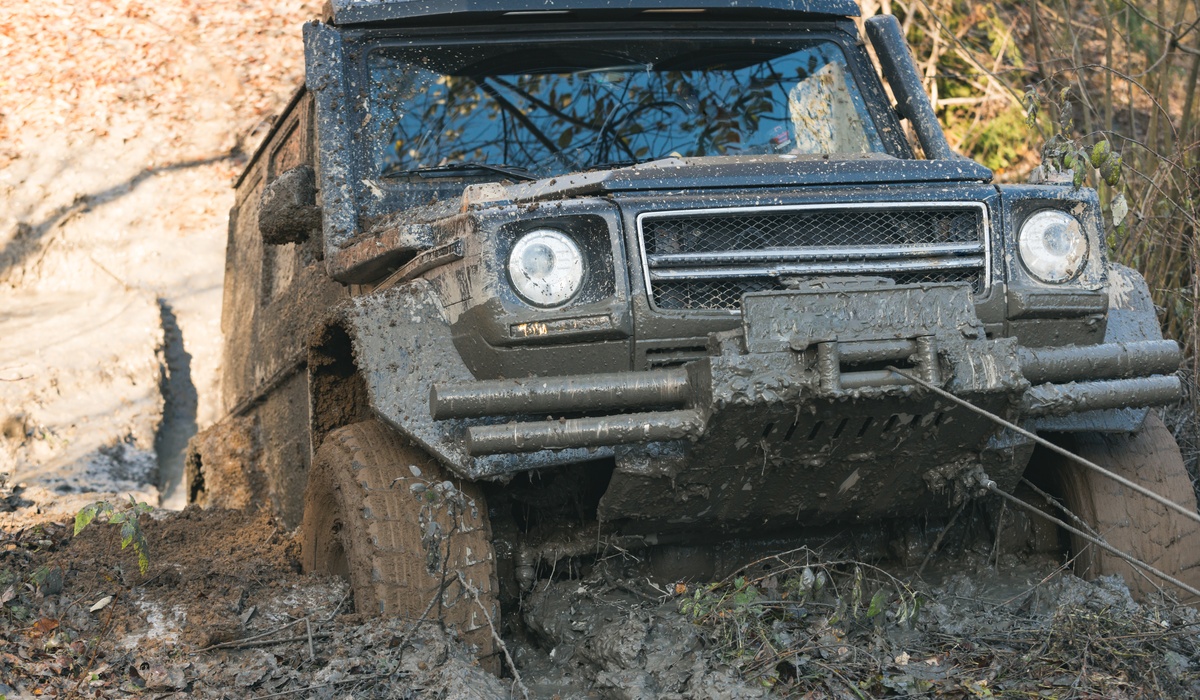
A good trail day can turn stressful fast when a tire drops into soft clay or a muddy backroad gets slick after a summer storm. Around the Carolinas, especially on forest roads and off-road areas near Charlotte, conditions can change quickly.
A few off-road recovery safety tips for Carolina trails can help before anyone gets stuck. Recovery is not just about having a winch or tow strap. It is about having a plan beforehand, slowing down to read the situation and knowing when to call a professional.
I haven’t had to recover my own Bronco yet, and I’d like to keep it that way, but between the recovery videos I’ve watched and the stories that come out of Uwharrie, a few patterns keep showing up. Most bad recovery outcomes trace back to the same handful of mistakes.
Read the Trail Before You Pull
The first mistake many drivers make is rushing straight into a pull. Someone gets stuck, everyone jumps out, and the first idea is to hook up a strap. Sometimes that works, but it can also make things worse.
Before pulling, take a few minutes to look at the whole scene. Check whether the vehicle is buried in mud or angled toward a ditch. Then look at the trail surface and the direction the vehicle needs to move.
Sometimes the safest first move is not pulling at all. It may be better to clear mud from around the tires or use recovery boards before adding tension. If the driver keeps spinning the tires, the vehicle can dig itself deeper and turn a simple problem into a much harder recovery.
Clear the Recovery Zone
When a strap, cable, or winch line comes under tension, everyone nearby needs to treat it seriously. If something fails, stored energy can send gear moving fast. This can be a serious injury or even worse if you get caught in the way.
Clear the recovery zone before the pull starts. No one should stand between the stuck vehicle and the recovery vehicle. No one should step over a tensioned line, lean near a connection point, or stand close just to film the moment.
One person should lead the recovery and communicate clearly with both drivers. Hand signals or radios can help, but everyone needs to agree before anything moves. If someone walks into the danger area, stop immediately and reset.
This matters on busy Carolina trail days, where other drivers or curious friends may gather around to watch. The safest recovery is usually the least dramatic one.
Choose Real Recovery Points
Not every metal part under a vehicle is meant to handle a recovery pull. A hitch ball or random suspension part may look strong, but that does not mean it is safe to pull from.
Look for rated recovery points designed for that purpose. The stuck vehicle needs a safe place to connect, and the recovery vehicle needs one too. If either side is questionable, the whole setup is questionable.
It also helps to think about the angle of the pull. A recovery point may be strong when pulled straight but weaker when pulled sideways. If the line angle looks awkward, stop and reposition instead of forcing it.
Good trail recovery is not about yanking as hard as possible. It is about setting up a controlled pull that gives the stuck vehicle the best chance to move safely.
Match the Gear to the Pull
A recovery strap, winch line, shackle, or chain should match the job it is being asked to do. Check the gear before it is used, not after something goes wrong.
Look for frayed webbing, bent hardware, missing labels, or signs that the gear has already been overloaded. If a strap or line looks questionable, do not trust it just because it is the only option nearby.
Ratings matter, too. Before a strap, shackle, or winch line comes under tension, make sure the rating reflects a safe pulling limitrather than the point where the gear could fail.
That detail matters because people often assume the biggest number on a piece of gear means it is safe to use up to that point. Recovery gear should always leave room for safety. If the weight, angle, or terrain makes the pull feel uncertain, rethink the setup.
I already run other Rhino USA gear and trust the brand, so when I looked at rounding out a recovery kit, their D-ring shackles and kinetic recovery rope were the obvious picks. Rated hardware from a brand you already trust takes some of the guesswork out of a stressful moment. If you’re still building out your rig for trail days, my guide to outfitting your truck covers where recovery basics fit into the bigger prep list.
Build Tension Slowly
A slow, steady pull is usually safer than a sudden jerk. Shock loading happens when force is applied all at once, such as when a driver accelerates hard to snap a stuck vehicle free.
Some recovery gear is designed for controlled kinetic recovery, but that does not mean every strap or situation is right for it. The wrong attachment point can turn a simple pull into a dangerous one.
Whenever possible, build tension slowly. Let both drivers know what is about to happen before either vehicle moves. If the stuck vehicle does not budge, stop and reassess instead of trying harder from the same bad angle.
Stop When the Setup Feels Wrong
There is no shame in calling for professional recovery or asking for experienced help. Knowing when to stop is one of the most important trail skills you can build.
Call for help if the vehicle is unstable or the recovery angle looks unsafe. Stop if people are arguing, guessing, or trying random ideas because they are frustrated. Getting home safely matters more than proving you can solve every trail problem on your own.
Honestly, if you want the real expertise here, follow the people who actually run recovery day in and day out. The Uwharrie off-road community and the recovery channels on YouTube are worth following. I lean on them more than I’d like to admit, and I’d rather point you to the experts than pretend I’ve got more trail time than I do.
It is also smart to carry basic recovery supplies before you need them. Gloves and a shovel can make a muddy situation easier to manage. Recovery boards and rated shackles can give you safer options when the trail does not go as planned.
A first aid kit, charged phone, flashlight, and extra water are worth carrying too, especially during hot Carolina weekends. Preparation does not guarantee an easy recovery, but it gives you better choices when a trail day turns complicated.
Protect the Trail While You Recover
Recovery safety is not only about vehicles and people. It is also about respecting the places we enjoy. When a vehicle gets stuck, it can be tempting to drive around the problem or tear through soft ground looking for a better angle.
Stay on legal routes. Avoid making new tracks around mud holes or blocked sections. Pack out broken gear and trash. If a trail is too soft after heavy rain, consider turning around and saving the trip for another day.
This is really an extension of good forest road etiquette in general. The best outdoor days are the ones that let other people enjoy the same place after you leave.
Make Safety Part of the Trip
Off-roading in the Carolinas can be a great way to explore beyond the usual trailheads and lake access points. Still, every driver should know that recovery is part of the responsibility that comes with taking a vehicle off pavement.
The best off-road recovery safety tips for Carolina trails are simple: slow down before the pull, keep people clear, use the right connection points, and call for help when the setup does not feel right.
A stuck vehicle can be frustrating, but it does not have to ruin the day. With patience and a safer plan, you can protect your vehicle and the trails that make Carolina weekends memorable.