This post contains Amazon affiliate links. When you purchase something from the link, I will receive a small commission to help support my blog. This comes at no cost to you; thank you!
Exploring remote trails challenges your skills, preparation, and mindset in powerful ways. You step into landscapes that demand respect, awareness, and the right equipment.
Smart planning turns a risky outing into a rewarding outdoor adventure. This essential gear checklist for exploring remote locations will help you explore confidently while continuing to grow your backcountry knowledge.
Why Preparation Shapes Every Remote Adventure
Remote trails test your judgment long before they test your stamina. You often travel beyond marked paths, cell service, and quick assistance. Proper gear reduces uncertainty and strengthens your ability to respond to changing conditions. Thoughtful preparation also allows you to focus on discovery instead of worrying about avoidable problems.
You should research terrain, climate, and wildlife before you pack your bag. Study maps, trail reports, and seasonal patterns to understand potential challenges. Consider distance, elevation gain, and available water sources when planning. This groundwork shapes every gear decision you make.
Navigation Tools That Keep You Oriented
Reliable navigation tools form the backbone of remote exploration. A detailed topographic map gives you a broad understanding of terrain features and elevation changes. A quality compass allows you to orient yourself when landmarks disappear. GPS devices add convenience, but you should never rely on them alone.
Learn how to use each tool before you step onto the trail. Practice triangulation and map reading in familiar environments. Carry extra batteries or a power bank for electronic devices. Strong navigation skills prevent minor detours from becoming dangerous situations.
Clothing Systems Built for Changing Conditions
Layering protects you from temperature swings and sudden weather shifts. Start with a moisture-wicking base layer that keeps sweat away from your skin. Add an insulating mid-layer to retain body heat when temperatures drop. Finish with a waterproof and wind-resistant outer shell that shields you from the elements.
Choose materials that dry quickly and resist abrasion. Avoid cotton because it traps moisture and increases discomfort. Pack extra socks to protect your feet during long treks. Smart clothing choices support endurance and reduce the risk of hypothermia or overheating.
Shelter and Sleep Essentials
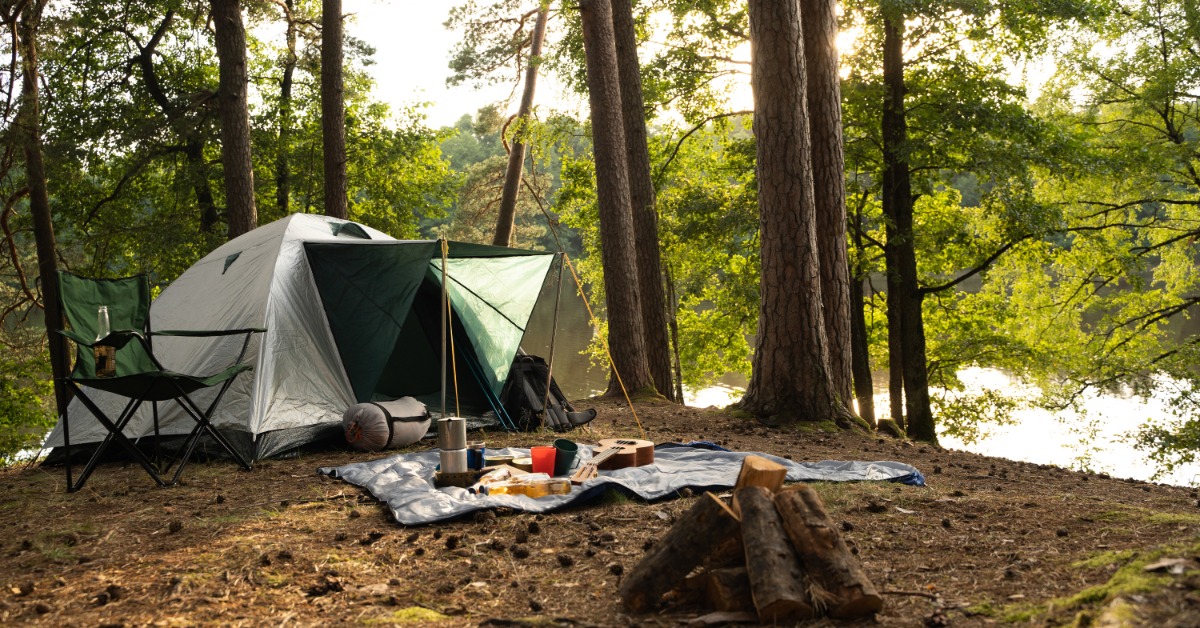
Even day trips require emergency shelter planning. A lightweight bivy sack or emergency blanket can protect you if conditions change unexpectedly. Multi-day trips demand a durable tent or hammock system suited to the terrain. A reliable shelter provides physical protection and mental reassurance.
Select a sleeping bag rated for expected nighttime temperatures. Pair it with an insulated sleeping pad to prevent heat loss from the ground. Test your shelter setup at home before you rely on it outdoors. Confidence in your sleep system improves rest and recovery.
Hydration and Water Treatment Tools
Water management determines your performance on remote trails. Carry enough water to match distance, temperature, and exertion level. Use durable bottles or hydration reservoirs that are leak- and puncture-resistant. Plan refill points based on reliable natural water sources.
Always include a method to treat collected water. Portable filters remove bacteria and protozoa from streams and lakes. Chemical purification tablets provide a lightweight backup option. Clean water protects your health and maintains steady energy throughout your journey.
Nutrition That Fuels Endurance
Remote exploration demands steady calorie intake. Pack nutrient-dense foods that combine carbohydrates, protein, and healthy fats. Trail mix, dehydrated meals, energy bars, and nut butters offer compact fuel. Choose options that withstand temperature changes without spoiling.
Plan meals according to activity level and trip length. Eat small portions regularly to maintain consistent energy. Carry slightly more food than you expect to consume. Extra nutrition supports unexpected delays or longer travel times.
Vehicle and Access Considerations
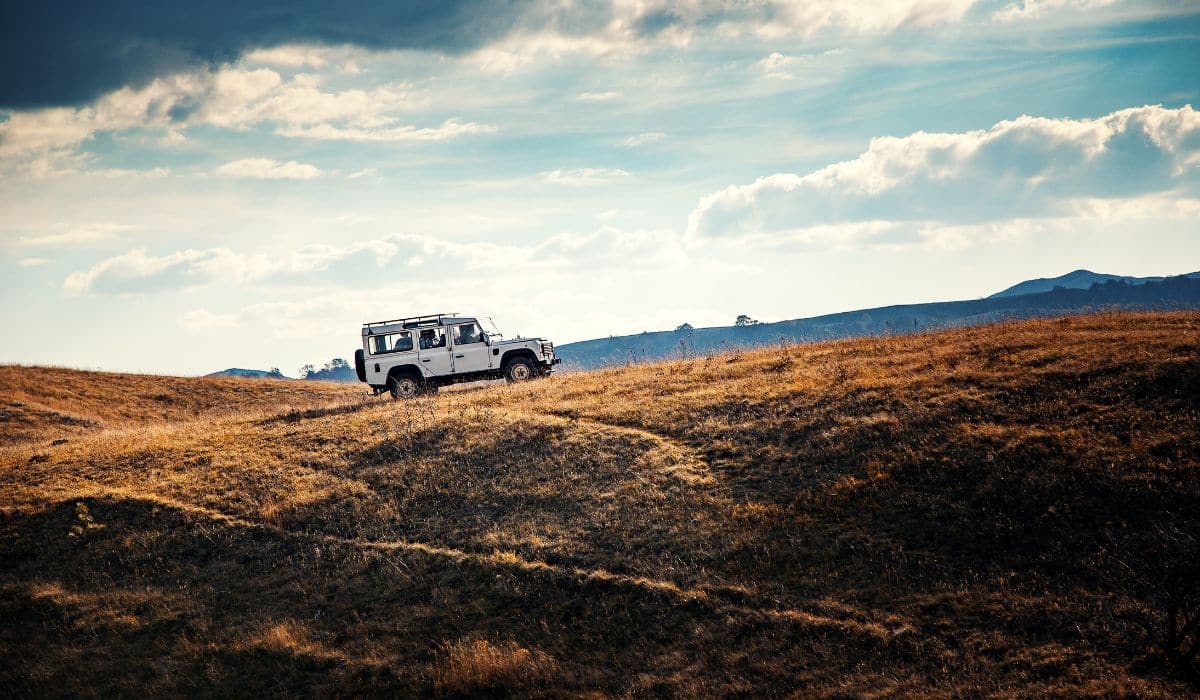
Many remote trails require rugged access routes. If you drive to your trailhead, prepare your vehicle for rough terrain. Carry a spare tire, tire repair kit, jack, and basic recovery gear. Check fluid levels and fuel supply before you leave paved roads.
Overlanding enthusiasts often rely on detailed planning resources. Many explorers consult a guide to safe solo overlanding to understand vehicle setup, risk management, and remote travel strategies. You can adapt those principles even for short backcountry access drives. Preparation extends beyond the trail itself and begins with your journey to it.
Safety Equipment You Should Never Skip
Every remote trail kit must include core safety tools. These essentials protect you during emergencies and unexpected setbacks. Keep them accessible instead of burying them at the bottom of your pack. Quick access saves time when seconds matter.
- First aid kit customized to your medical needs
- Multi-tool or knife for repairs and food prep
- Headlamp with spare batteries
- Fire-starting kit with waterproof matches and lighter
- Emergency whistle and signal mirror
- Compact repair kit with duct tape and cordage
Learn how to use each item before you rely on it outdoors. Take a basic wilderness first aid course to build confidence. Practice building controlled fires in safe environments. Knowledge multiplies the effectiveness of every piece of equipment.
Communication and Emergency Planning
Remote areas often lack reliable cell service. Carry a satellite communicator or personal locator beacon for high-risk routes. A Garmin InReach Mini 2 is a high-value choice. These devices allow you to send emergency signals and location data. They add a critical layer of security during solo or small-group trips.
Share your itinerary with a trusted contact before departure. Include route details, expected return time, and contingency plans. Stick to your timeline or communicate changes when possible. Clear communication reduces uncertainty in search and rescue operations if problems arise.
Mindset and Skill Development
Gear supports you, but mindset guides you. Remote trail exploration requires patience, humility, and adaptability. You must evaluate risks honestly and adjust plans when conditions change. Strong decision-making prevents minor issues from escalating.
Build skills gradually through shorter trips before attempting extended remote adventures. Practice navigation, shelter setup, and water treatment in low-risk settings. Reflect on each outing and identify areas for improvement. Continuous learning transforms passion for the outdoors into lasting competence.
Safely Exploring Remote Trails
Exploring remote trails offers freedom, challenge, and a deep connection with nature. The right gear supports safety while expanding your confidence in wild spaces.
Careful planning transforms uncertainty into purposeful adventure. With this checklist, you can refine your experience and set the foundation for future trips. Now that you’re prepared, you can enjoy the open road worry-free!