This post contains a sponsored link. I only partner with brands and products I believe are useful to my readers. This helps support Just Chillin Outdoors; thank you!
A summer lake day in the Carolinas can feel crowded before you ever touch the water. Around Charlotte, access points near Lake Norman and Mountain Island Lake fill up fast once the weather gets hot. Lake Wylie and the Catawba River can get just as busy.
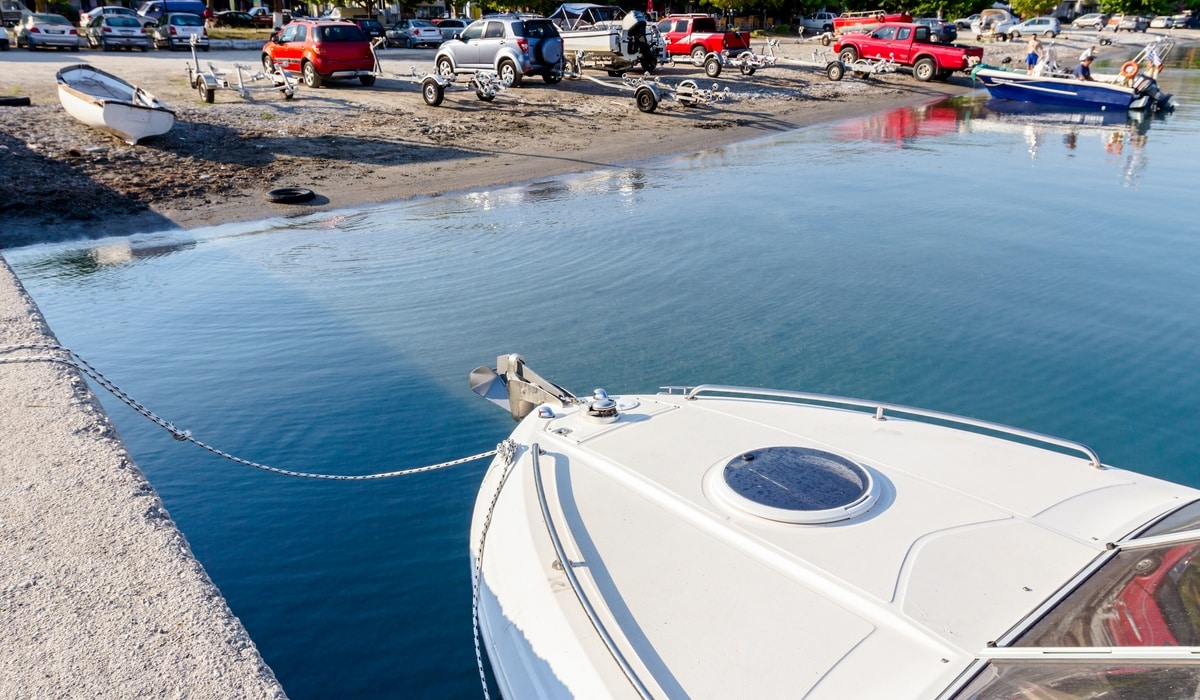
Trucks are backing down ramps while kayaks come off roof racks. Families are trying to keep kids and dogs clear of the launch lane. Anglers are sorting gear, and everyone wants to get on the water.
That is where boat ramp etiquette matters. A ramp is a shared outdoor space, and a little preparation can keep the whole day moving in the right direction. Whether you are launching a fishing boat or unloading paddleboards, the way you handle the ramp sets the tone for everyone around you.
Prep Before You Reach the Ramp
The ramp itself is not the place to get fully organized. If you wait until you are backing down to find life jackets or untangle dock lines, everyone behind you has to wait too. Nobody loves standing on hot pavement while the lake is right there.
Use the parking lot, staging area, or a quiet corner of the lot to get ready before you enter the launch lane. Coolers can be moved, bags can be secured, and the plan can be sorted out before your tires hit the ramp.
If you are launching a boat, check the drain plug before you back down. Make sure lines and safety gear are easy to reach. If you are unloading kayaks or paddleboards, move your gear to the side and keep the ramp clear for the next person.
A few extra minutes of prep away from the water can save everyone a lot of frustration once the line starts building.
This matters even more at smaller, dockless ramps like Cowan’s Ford Dam on NC-73, where there’s no dock to tie off on and you’re pushing the boat off the trailer by hand. Getting organized before you’re at the water’s edge isn’t optional there, it’s the only way the ramp works.
Park Where You Should
Parking can be one of the biggest headaches at busy water access points. Some lots have spaces made for trucks with trailers. Others have separate areas for cars, shoreline visitors, kayakers, or paddleboarders.
Before unloading, take a minute to read the signs and understand the lot. If you are not pulling a trailer, avoid taking a long trailer space just because it is close to the water. Those spots are limited, and someone launching a boat may not have another safe place to park.
Overflow areas deserve the same kind of respect. Do not block turnarounds or narrow lanes. On crowded weekends, one careless parking job can slow down the entire lot and make it harder for people to leave.
Good parking etiquette is simple. Leave room for trailers to swing, keep drive lanes open, and avoid creating a problem someone else has to solve.
Keep the Ramp Moving
The launch lane is for launching and loading. It is not the place to reorganize the whole trip.
I’ve launched my Jon boat plenty of times at Neck Road on Mountain Island Lake, and I’ve watched someone come off the trailer, then try to power forward and cut a hard turn instead of just backing the boat away from the ramp. They clipped the concrete hard enough that everyone standing around started shouting. It happens fast when people panic instead of sticking to the basics.
When it is your turn, move with purpose. Back down and launch, then clear the lane as soon as you safely can. Handle the smaller details somewhere else.
That does not mean you should rush until you make mistakes. Safety still matters more than speed. There is a big difference, though, between moving carefully and using the ramp as a place to wipe down seats, adjust every strap, or talk through the day’s plan.
If something goes wrong, pull forward when you can and troubleshoot out of the way. If you need to move gear after loading, use the parking lot or staging area instead of blocking the next person.
The end of the day matters too. Once your boat or watercraft is back on the trailer, pull away from the ramp before dealing with wet shoes and towels. Coolers can be sorted once you are out of the launch lane. Everyone is tired, hot, and ready to head home, so keeping the lane clear helps the whole lot move better.
Give People Room
Not everyone at the ramp has the same experience level. Some people have backed trailers down hundreds of times. Others are doing it for the first time with a line of people watching and a boat that suddenly feels much harder to control.
Give beginners room. Crowding a bumper, honking, or hovering nearby usually makes things worse. A little patience gives people space to correct their angle, reset, and launch safely.
If someone clearly needs help, offer it calmly. A simple “Want a spotter?” is more useful than shouting instructions across the lot.
I still get a little tense backing my 12-foot Jon boat down the ramp with a line of trucks behind me and people watching from the dock. The trick that’s helped me most: look back at the trailer itself through the rearview mirror instead of relying on your side mirrors. Whichever way you turn the steering wheel, the trailer follows that same direction as you watch it in the rearview. It sounds simple, but it’s saved me from jackknifing more times than I can count.
I’ve also seen the ramp bring out short tempers over nothing. One day I had a friend watching my boat while I parked the trailer, and an impatient family started yelling at him like he was holding up the whole ramp on purpose. He wasn’t in anyone’s way. Ramp frustration boils over fast, and it’s rarely actually about the person catching the blame.
Also, remember that not everyone at the ramp is inside a vehicle. Kayakers and paddleboarders may be carrying gear near the shoreline. Families may be walking through the lot with kids or dogs. Drive slowly, check your blind spots, and keep loose gear out of walkways.
Respect the Dock and Shoreline
Docks and shoreline areas can get crowded quickly on summer weekends. Some people are tying off for a moment. Others are helping kids into life jackets or waiting for a trailer.
Use the dock for what you need, then move along. If you have already launched, avoid tying up in a spot that blocks the next person unless you truly need a minute. If you are fishing near a launch area, stay clear of the places where boats are actively moving in and out.
Good boat ramp etiquette also means paying attention to what gets left behind. Fishing line and hooks do not belong near the water. Wrappers and loose plastic should leave with you, not with the wind.
The same goes for noise. A lake day should be fun, but the ramp is still a shared space. Keep music and voices reasonable while people are launching, loading, and trying to communicate. Save the bigger lake-day energy for when you are away from the ramp.
Check Your Vehicle Before Heading Home
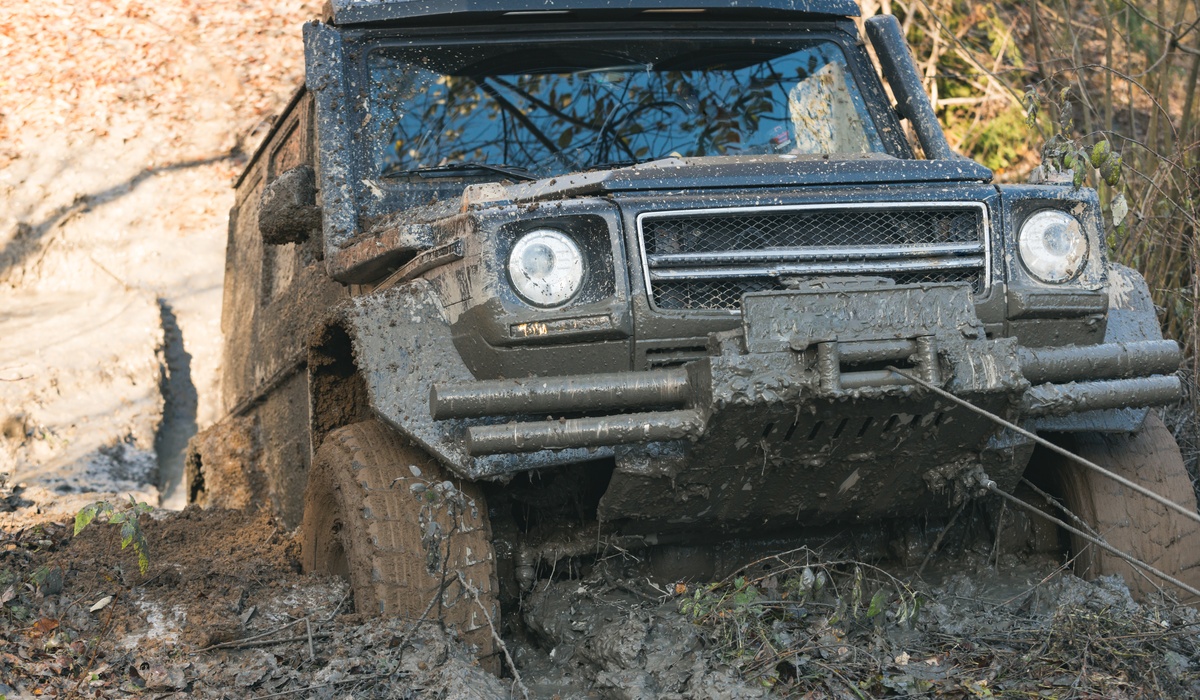
Lake days can be rough on vehicles, especially around wet launch areas, gravel lots, muddy shoulders, and overflow parking. Before heading back home, check for gravel dust, ramp mud, and grime around your tires and wheels, especially if you parked near a wet launch area or overflow lot.
This does not need to become a full cleanup in the parking lot. Just take a quick look before getting back on the road. Check your tires and wheels first. Look over the hitch and make sure trailer connections are secure.
Once you get home, rinse off what needs attention and unpack anything wet before it sits overnight. The Carolina heat and humidity can make even a small mess worse by morning.
Make the Day Easier for Everyone
Good ramp manners are mostly about awareness. Be ready before you launch. Park where you should. Keep the lane moving, and give other people enough space to enjoy their day too.
Most ramp problems do not come from one big mistake. They come from small choices that pile up, like blocking a lane or rushing someone who is still learning.
The good news is that those problems are easy to avoid. A little patience and preparation can make a crowded Carolina lake day feel much smoother, whether you are launching a boat on Lake Norman, unloading kayaks near Mountain Island Lake, heading toward Lake Wylie, or spending a quiet morning on the Catawba River.