Your first camping trip is one of those experiences that sticks with you. I still remember mine, fumbling with tent poles in the fading light, second-guessing whether I had packed the right stuff, and then realizing somewhere around the campfire that I had been overthinking the whole thing. Camping really is not that complicated, but a little preparation up front turns a stressful first night outside into the kind of experience that has you planning the next trip before you have even left the campsite.
This post contains Amazon affiliate links. When you purchase something from the link, I will receive a small commission to help support my blog. This comes at no cost to you; thank you!
Understanding Your Camping Style
Before you pack a single item, it is important to decide what kind of camping experience you want. Some people prefer campgrounds with amenities like bathrooms, water access, and even electricity. Others are drawn to more remote settings where self-sufficiency is essential.
For a first trip, I always recommend staying at a developed campground. You get bathrooms, water, designated fire rings, and usually a host nearby if something goes sideways, which means you can focus on actually enjoying the experience instead of troubleshooting avoidable problems. Around the Carolinas, places like Lake Norman State Park or Morrow Mountain State Park are great starting points. Once you have got a couple of trips under your belt, you can start thinking about primitive camping in places like the Uwharrie National Forest, where you really can pull your car off a forest road, claim a spot, and have the whole night to yourself.
Choosing the Right Gear
Gear can make or break your first trip. At minimum you will want a reliable tent, a sleeping bag rated for the weather you will actually face, and a sleeping pad. Sleeping straight on the ground is its own special kind of misery, especially in the cooler months when the cold seeps up through the floor. The good news is “quality gear” does not mean “expensive gear.” It just means equipment that is durable and appropriate for your environment. If you are camping somewhere with mild summer nights, a budget tent and a $40 sleeping bag will do you fine. Heading up to the NC mountains around Linville Gorge where temperatures can drop 20 degrees overnight? Spend the extra money on a warmer bag. If you would rather skip the tent entirely, hammock camping is my personal favorite, and the ENO Double Nest Hammock paired with the ENO Atlas tree suspension system is the setup I have used in the Uwharries for years without issue. I cover the full breakdown in my guide to choosing the best hammock for camping if you want to dig deeper.
Your vehicle is part of your setup too. Whether you are rolling up in a sedan, an SUV, or a truck, you have got to protect both your gear and your vehicle from the abuse of hauling everything you own out into the woods.
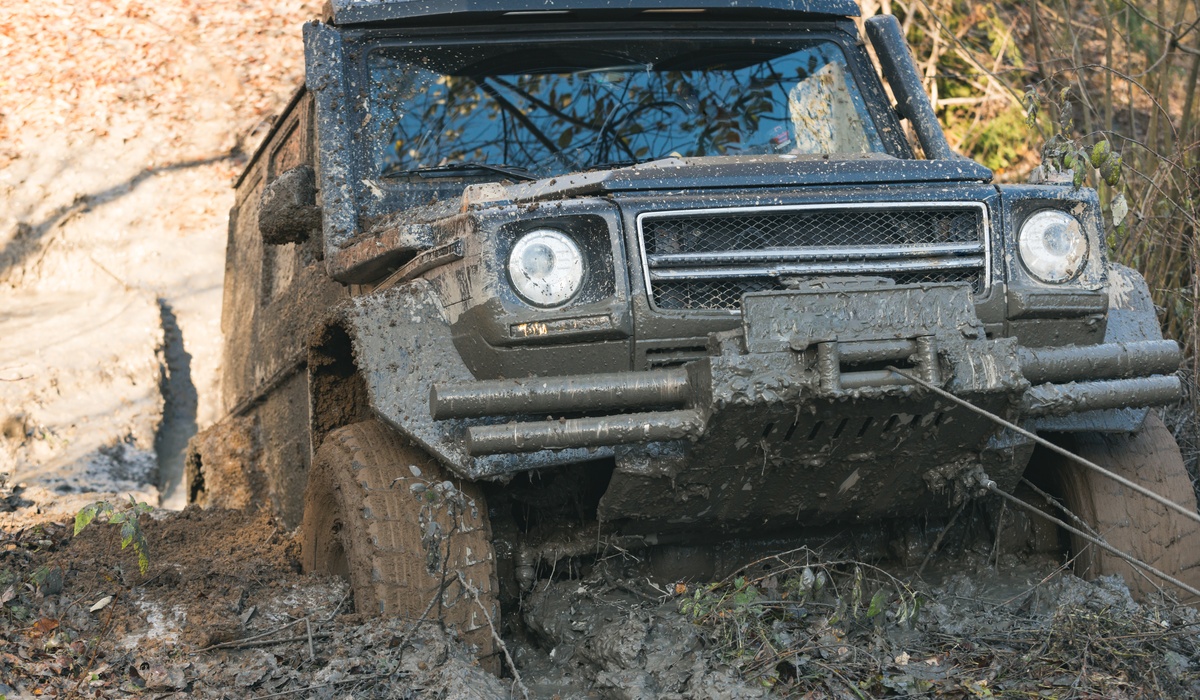
If you are driving a truck, a good bed liner is one of those things you do not think about until you wish you had one. They keep gear from sliding around, protect the bed from gouges and scratches, and make cleanup a lot easier after a muddy trip. Understanding the basics of truck bed protection and durability options before you buy will save you both money and a damaged truck down the road.
Planning Your Meals
Food is half the fun of camping, and planning ahead saves you time and frustration. Keep it simple your first time out. Sandwiches for lunch, foil packet meals over the fire, pasta on a portable stove. I have put together a separate post on tips for cooking meals during a camping trip that goes deeper if you want some real ideas.
If your campsite allows fires or grills, that opens up real cooking, but always check local regulations first. North Carolina hits burn ban season most years, especially in the fall, and forest service rules in places like the Uwharries can change based on conditions. A portable stove gives you flexibility either way and is one of those gear pieces I would never camp without.
Food storage is just as important as meal planning. Keep everything sealed in a cooler or hard-sided container. Raccoons, mice, and yes, the occasional black bear in western NC do not need much of an invitation. A solid cooler with ice packs or frozen water bottles will hold cold long enough for a typical weekend trip. And if you are heading out somewhere chilly, a good thermos for camping for hot coffee or soup in the morning is a game-changer. The Stanley Quick Flip GO is the one I personally use, and it has taken a beating over the years without losing a step.
Packing Smart and Staying Organized
One of the biggest mistakes first-time campers make is overpacking or packing inefficiently. While it is tempting to bring everything you might possibly need, this often leads to clutter and confusion at the campsite.
Instead, focus on essentials and organize your gear into clearly labeled containers or bags. Keep frequently used items like flashlights, toiletries, and cooking tools easily accessible. Having a system in place reduces the time you spend searching for things and helps you settle into your campsite more quickly.
Setting Up Your Campsite
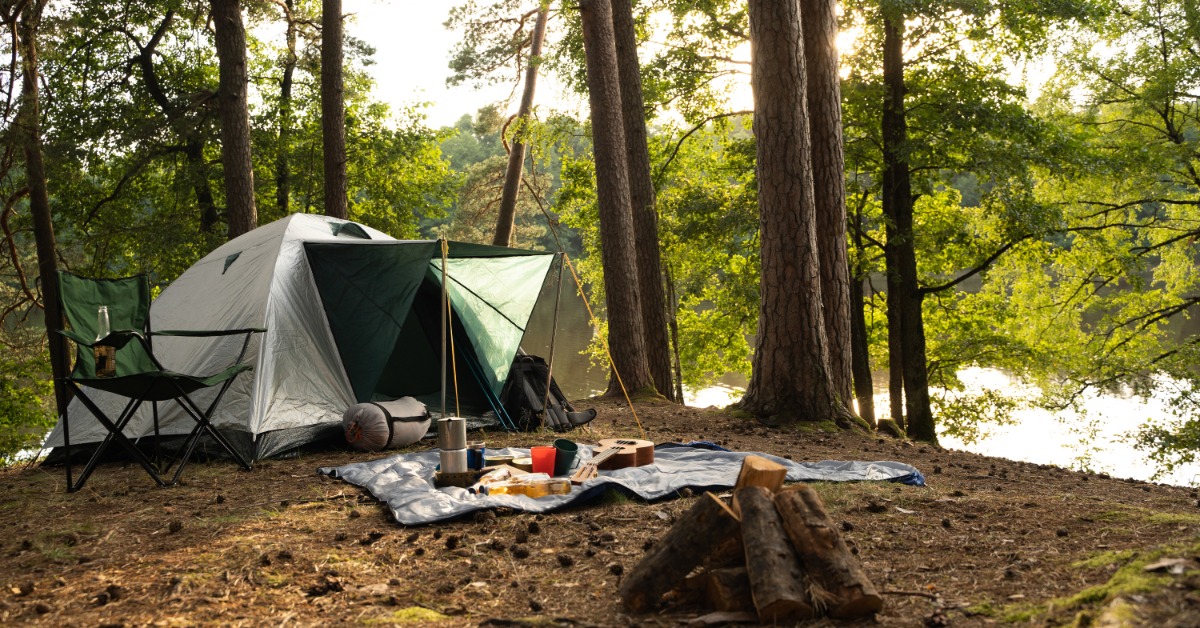
Arriving at your campsite with enough daylight left to set up is one of the smartest decisions you can make. Pitching a tent in the dark can quickly turn a simple task into a frustrating experience.
Start by selecting a flat, dry area for your tent. Clear away any debris like rocks or sticks before setting up. Once your tent is secure, arrange your sleeping area and organize your gear so everything has a designated place.
Creating a comfortable and functional layout will make your stay more enjoyable. Keep cooking areas separate from sleeping spaces, and make sure any food is stored properly to avoid attracting animals.
Understanding Safety Basics
Safety is not something to skim over, especially on your first trip. Read up on the rules of your specific campground or forest before you go. Fire restrictions, wildlife precautions, and emergency contact info change from place to place. In the Uwharries, for example, you lose cell service almost completely, so I always pull up offline maps on my phone and tell my partner exactly where I will be camping before I leave the house.
A basic first aid kit is non-negotiable. Even small cuts or bug bites turn into bigger problems when you are an hour from the nearest pharmacy. (I am not a medical professional, so use any first aid info as general guidance only.) A headlamp with extra batteries is the single most underrated piece of camping gear. I remembered to bring mine on my first trip out to the Uwharries and quickly realized I could not have done the trip without it. Black Diamond has been my go-to brand for years, and the Black Diamond Astro 300 Headlamp is a solid, lightweight option that runs on AAA batteries and puts out plenty of light for everything from cooking after sundown to those 2 a.m. trips to the bathroom.
It is also wise to let someone know your plans before you leave. Sharing your location and expected return time adds an extra layer of security, particularly if you are traveling to a more remote area.
Embracing the Outdoor Experience
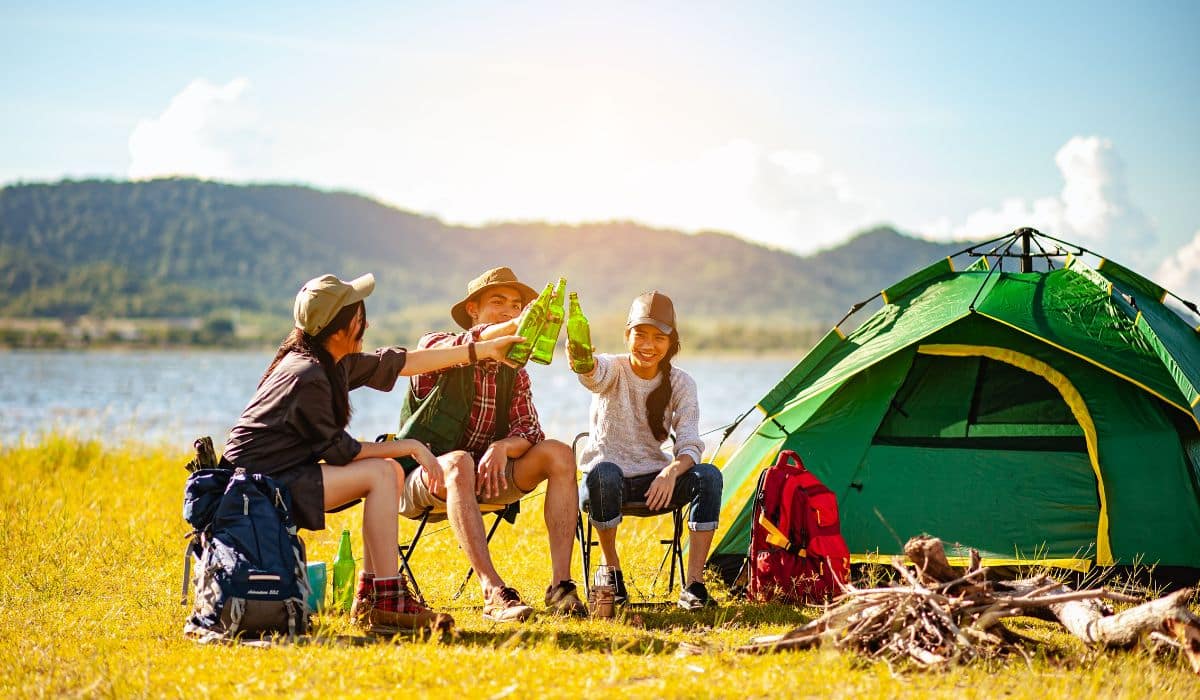
Camping is about more than just logistics. It is an opportunity to slow down and enjoy a different pace of life. Take time to explore your surroundings, whether that means hiking nearby trails, observing wildlife, or simply sitting by the campfire.
Disconnecting from technology can enhance the experience. While it is fine to keep your phone for emergencies, limiting screen time allows you to fully appreciate the environment around you.
Even small moments, like watching the sunset or listening to the sounds of the forest at night, can become some of the most memorable parts of your trip.
Learning as You Go
No matter how much you prepare, your first camping trip will involve a bit of trial and error. That is part of the experience. You might realize that you packed too much of one item or not enough of another. You may discover new preferences for how you set up your campsite or plan your meals.
The key is to approach the experience with flexibility and a willingness to adapt. Each trip builds your confidence and helps you refine your approach for the future.
Over time, what once felt unfamiliar will become second nature. You will develop your own systems, preferences, and routines that make camping easier and more enjoyable.
Making It a Trip to Remember
Your first camping trip sets the foundation for future outdoor adventures. By preparing thoughtfully and focusing on the essentials, you can avoid common pitfalls and create a positive experience from the start.
From the gear you pack to the spot you pick to the meals you cook, a little preparation turns your first camping trip from “barely survived” into something you can’t wait to do again. With the right mindset and a few weekends under your belt, camping becomes one of those things you do not just enjoy, you start needing it. Once you are ready for your second trip, head over to my Hiking and Camping gear recommendations for the equipment I actually use, or check out my full Uwharrie National Forest guide for the Carolina Piedmont’s best beginner-friendly camping spot.