North Carolina has no shortage of scenic forest roads, gravel access roads, and backway connectors leading to trailheads, fishing spots, campsites, overlooks, and boat launches. For many outdoor folks, driving to their destination is part of the adventure. These quieter roads offer a slower way to reach public land, see more of the state, and enjoy time outside without the rush of busier destinations.
That is also why it helps to know how to respect shared forest roads in NC before heading out. These routes are often used by all kinds of people for all kinds of reasons. Hikers use them to reach trailheads. Anglers and kayakers rely on them to get closer to the water. Campers drive on them to find their secluded campsite for the weekend.
A little courtesy goes a long way in places like these. Good forest road etiquette helps keep travel safer, lowers the odds of conflict, and protects access for everyone. Whether you are heading toward a national forest, a game land, or a lesser-known gravel road in North Carolina, a few thoughtful habits can make a real difference.
Know What Kind of Road You Are Using
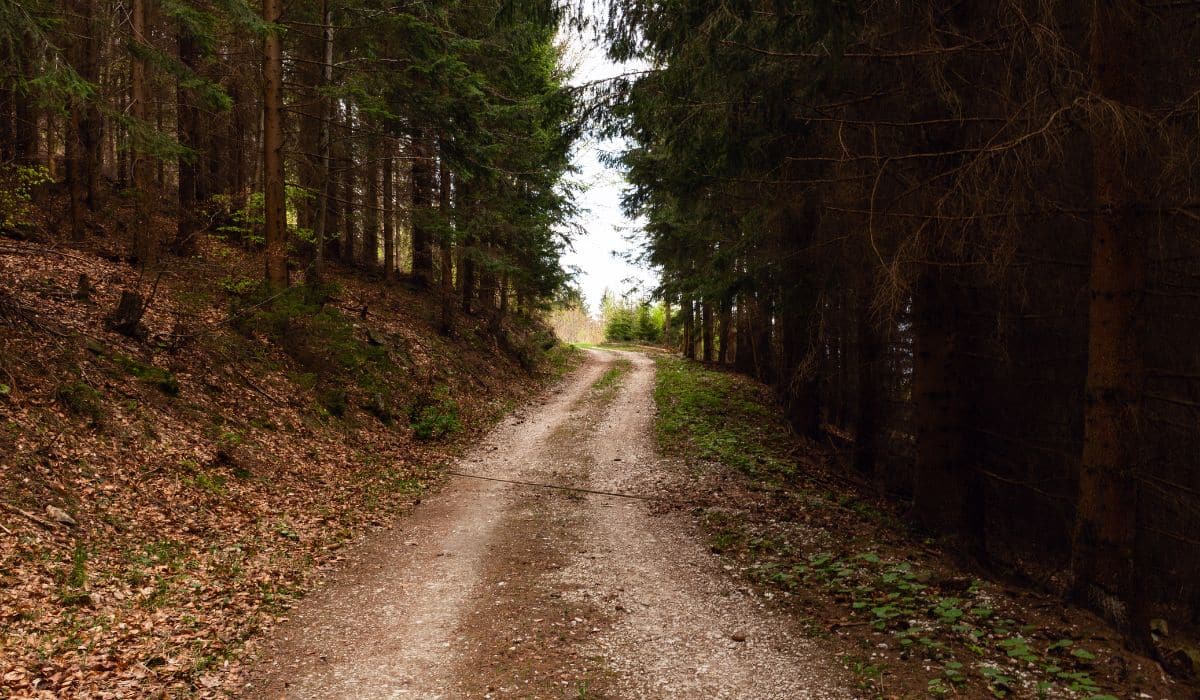
One of the easiest ways to avoid trouble is to understand that not every unpaved road should be treated the same way. Some forest roads are regularly maintained and easy to navigate in a range of vehicles. Others are narrow, rough, seasonal, or quick to change after a storm. A road that seems manageable on a dry afternoon can look very different after a good rain. Check out this to see what some of the western NC forest roads are like.
Before heading out, take a few minutes to check whether the road is open, public, and a good fit for current conditions. That matters in North Carolina, where mountain weather, washouts, downed limbs, and seasonal closures can change access in a hurry. Respect starts before the trip does. Part of using shared access roads responsibly is thinking through vehicle prep for backroad travel before heading into more isolated areas.
That kind of planning is not just about protecting your own day. A vehicle that is not ready for the road can lead to breakdowns, blocked access, or recovery situations that create problems for everyone else.
Slow Down and Drive Carefully
Speed is one of the quickest ways to create tension on a forest road. Loose gravel, blind curves, potholes, washboarding, wildlife crossings, and dust all make these roads less forgiving than paved ones. Driving too fast does not just increase your own risk. It can also make the road less safe and less enjoyable for everyone around you.
A slower pace gives you more time to react, especially when visibility is limited. It also keeps dust down near campsites, parked cars, and trail access points. Nobody wants to step out at a trailhead and get hit with a cloud of gravel dust because someone came through too hot.
Let the road set the pace. If you cannot see far ahead, if the shoulders are soft, or if there are signs that people are nearby, ease up and stay patient.
Give Other Users Plenty of Space
Forest roads are shared spaces, not private routes. On any given day, you might come across hikers walking from an overflow parking area, cyclists grinding uphill, birders parked off to one side, or anglers hauling gear toward the water. In some places, you may also run into horseback riders or local residents coming and going.
Courtesy matters in all of those moments. Slow down well before you reach people outside of vehicles. Give them room, and do not crowd them while trying to squeeze by. If another driver appears on a narrow stretch, stay calm and work together to find the safest place to pass. On roads with limited pull-offs, patience usually solves the problem faster than forcing the issue.
Protect the Road, Not Just Your Vehicle
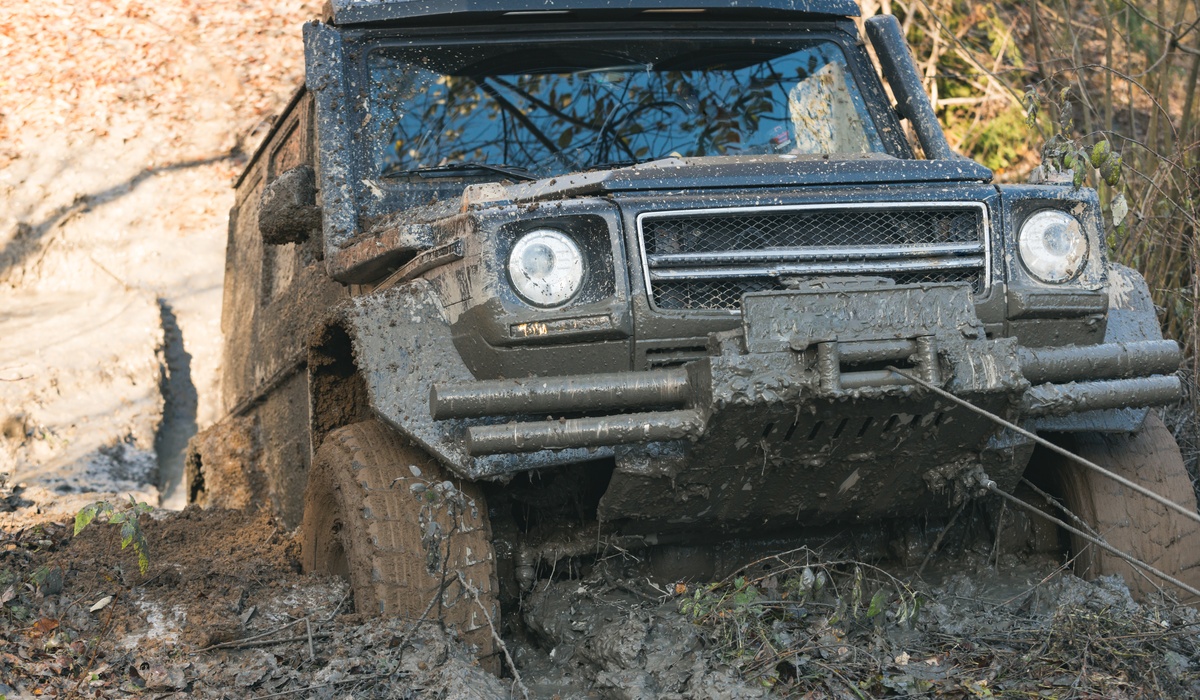
A lot of people think about forest road etiquette in terms of safety, but road conditions matter too. Unpaved roads can take a beating, especially after heavy rain or during freeze-thaw stretches. Deep ruts, spinning tires, and cutting around puddles can do lasting damage.
If a road is badly washed out or extremely muddy, the better choice may be to turn around and save your plans for another day. Pushing through poor conditions can leave the road worse for the next group of drivers who come through. The same goes for making your own path around rough spots. Once people start widening a road to dodge water or mud, the damage tends to spread.
Sometimes the most respectful decision is to turn back.
Be Thoughtful at Trailheads and Pull-Offs
A lot of forest roads in North Carolina do not end in large, well-marked parking lots. More often, they lead to a small trailhead, a gravel pull-off, a gate, or a rough access point near the water. That means even a quick stop can affect whether someone else can get in or out.
When you park, keep gates clear and make sure another vehicle can still pass if needed. Avoid blocking turnarounds or taking up more room than necessary while unloading gear. If the area is busy, take an extra moment to read the layout before shutting off the engine.
This is another practical way to respect shared forest roads in NC. A poorly parked vehicle can become a real headache on a narrow road, especially in areas with limited cell service or very little room to maneuver.
Keep Noise and Disruption to a Minimum
One reason people use forest roads in the first place is to enjoy a quieter setting. They may be heading out early to fish, walking to a trail at sunrise, or simply looking for a little peace before the day gets busy. Loud music, repeated passes through the same area, and unnecessary revving can ruin the experience for others.
That does not mean you need to tiptoe through the woods in total silence. Vehicles make noise, and that comes with the territory. But there is a difference between normal travel and drawing attention to yourself for no reason. If you are near campsites, trailheads, or a small access point, it helps to keep things low-key.
Respect for the outdoors is not only about where you drive. It is also about the kind of experience you leave behind for others.
Leave Access Better Than You Found It
The best outdoor habits are usually the simplest ones. Pack out trash. Do not leave broken gear or food waste at a pull-off. If you move a small branch out of the way for safe passage, do it carefully and leave the surrounding area alone.
It is also worth paying attention to signs, barriers, and posted closures. These roads can change with the seasons, storm damage, or maintenance needs, and ignoring a closure can create bigger access problems down the line.
North Carolina’s backroads lead to some of the best outdoor experiences in the state. Using them well is about more than getting from point A to point B. It means driving with patience, showing consideration for other people, and planning ahead so small issues do not become bigger ones. When more people approach shared forest roads that way, everybody gets a better day outside.