This post contains Amazon affiliate links. When you purchase something from the link, I will receive a small commission to help support my blog. This comes at no cost to you; thank you!
If you spend any real time outdoors in the Carolinas, you already know the climate is tough on gear. The humidity alone is enough to destroy equipment that would last years somewhere drier. Mold, rust, UV damage, moisture working its way into seams. It all adds up faster than you’d think. I’ve been exploring the Piedmont for most of my life, and one of the biggest things I’ve learned is that taking care of your gear between trips matters just as much as the trips themselves. Whether you’re heading out to Lake Norman State Park, deep into the Uwharrie National Forest, or hitting one of the best off-roading spots in the Carolinas, well-maintained gear is what keeps those trips from turning into headaches.
Here is how I think about gear maintenance for the Carolina outdoors, from the pre-season check all the way through storage and buying your first pieces of kit.
Do a Real Pre-Season Check
This is where most people cut corners, and it is the step that bites them later. Pulling gear out of storage and just assuming it is fine is a mistake. Carolina summers are long and hot, and if anything went into storage with even a little moisture in it, you might be dealing with mold or mildew by the time spring rolls around.
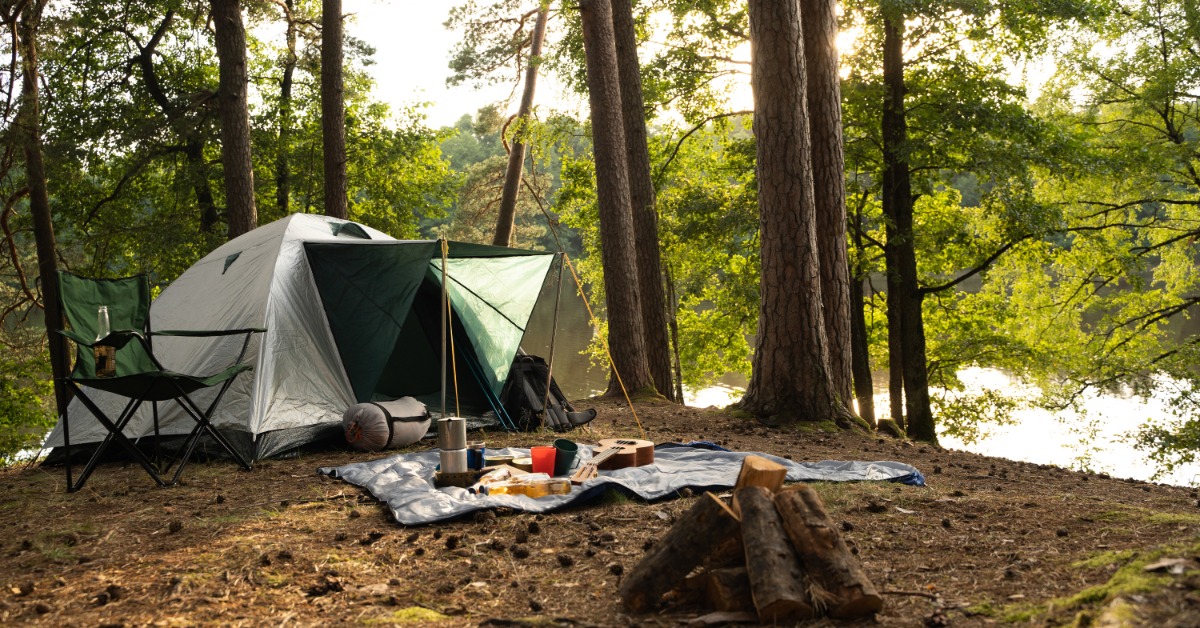
My approach is to actually set everything up like I am about to go use it. Pitch the tent in the backyard. Get in the hammock. Run through your whole kit like you are heading out tomorrow. That is the only way to catch problems you would never spot just by looking at something folded up in a bag. Actually run the zippers and buckles. Check seams. Look for rust on any metal hardware. Test anything that is supposed to keep you dry. Try anything mechanical and make sure it still works. Anything with adhesives or bonded materials needs a close look too.
Every time, I am looking for the same things: leaks, rust, mold, broken hardware, and anything that smells off. In this climate, the smell test matters more than people give it credit for.
End the Season Right
Pre-season checks are a lot easier when you did the work at the end of the last season. A lot of people skip this part because they are tired when they get home from a trip. I get it. But it makes a real difference.
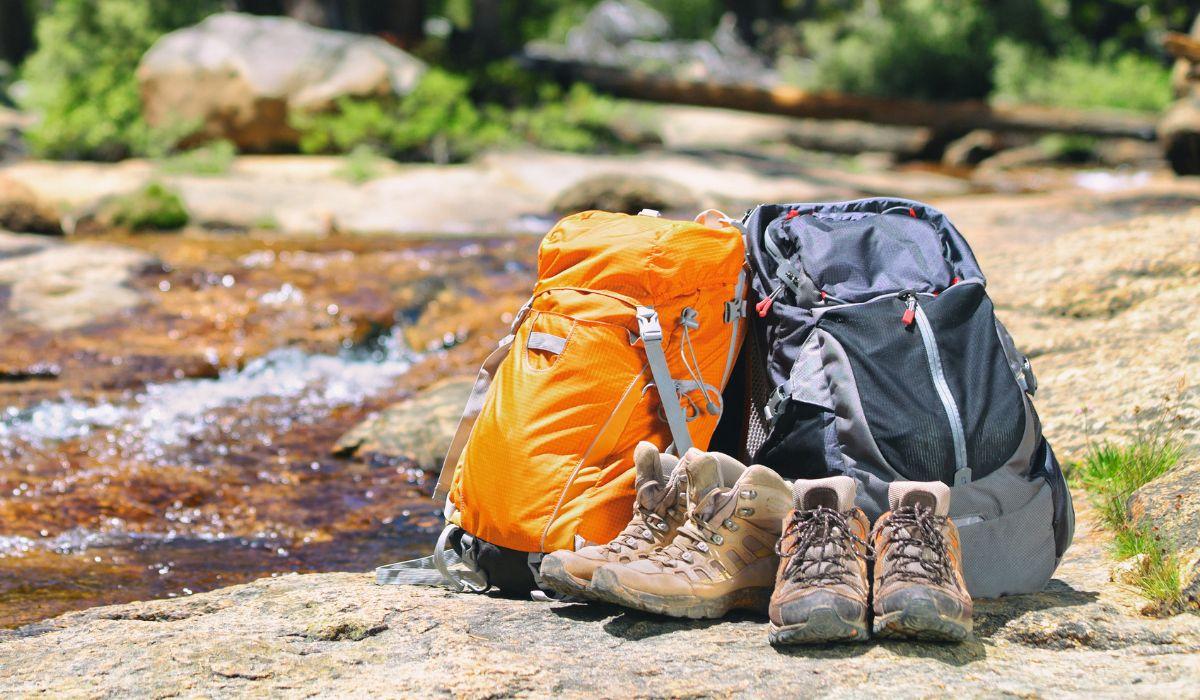
Before anything goes into storage, clean it. Shake out tents and let them fully dry before packing them away. Not kind-of-dry. Fully dry. Same with sleeping bags. Moisture trapped in fabric over a Carolina summer or winter will cause mold, and that smell does not come out. Knock the dirt off boot soles and seams and let them air dry away from any heat source. Cooking gear should be washed and completely dry before it gets put away.
If you have gear that is supposed to keep you dry, the end of the season is a good time to check whether the waterproofing is still doing its job. If water is soaking in instead of beading off, it is time to reapply. I keep a can of Scotchgard on hand for this. It is not a heavy-duty solution for serious technical gear, but for regular seasonal maintenance it gets the job done and it is simple to use.
Gear Pick
Scotchgard Outdoor Water Shield
A solid go-to for refreshing water repellency on tents, jackets, and bags. Simple to apply and good for regular seasonal maintenance.
View on AmazonStorage in a Carolina Climate
How you store gear matters a lot more here than it does in drier parts of the country. A few things I stick to:
Keep anything sensitive in a cool, dry, ventilated space. Garages and sheds in the Piedmont get brutally hot in the summer and trap humidity. That is not a good environment for most outdoor gear. If you have inflatables, anything with adhesives, or gear with bonded seams, find somewhere climate-controlled to store it. A hot car or a closed garage in July will destroy an inflatable faster than any actual use will.
Do not compress sleeping bags or tents for long stretches. Store them loosely in breathable bags. Compression over months damages insulation and can permanently affect how well a sleeping bag lofts. Throw silica gel packs in with your metal tools and hardware. Pull batteries out of electronics if they are going to sit for a while.
Keeping gear out of direct sunlight during storage is worth the effort too. UV exposure breaks down fabric, rubber, and plastic faster than most people expect, especially with the sun we get here from May through September.
Motorized Gear: Two Different Situations
How you maintain motorized gear comes down to how you actually use it. I think it helps to split this into two situations: daily drivers you take off-road, and equipment you trailer out to a location.
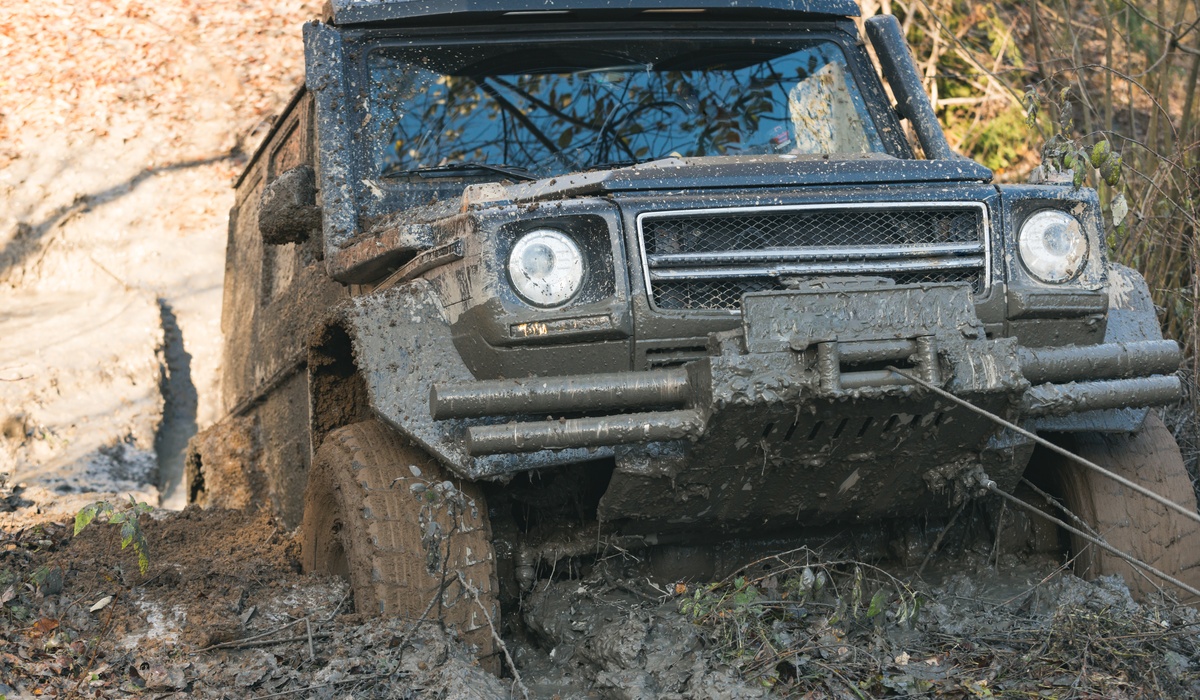
If your off-road vehicle is your daily driver, you do not need to overthink it. Just treat it like a daily driver. The one habit worth building is a quick underbody inspection after any off-road trip. Get under there and take a look. Something I find useful is keeping a mental note of the scrapes and scuffs on skid plates so you know which ones are new. Over time you build a picture of what has always been there versus what just happened. It is a simple habit that can catch something before it turns into a real problem. If you ride a motorcycle and want a more thorough breakdown of seasonal prep, this guide on getting your motorcycle ready for spring is worth a read.
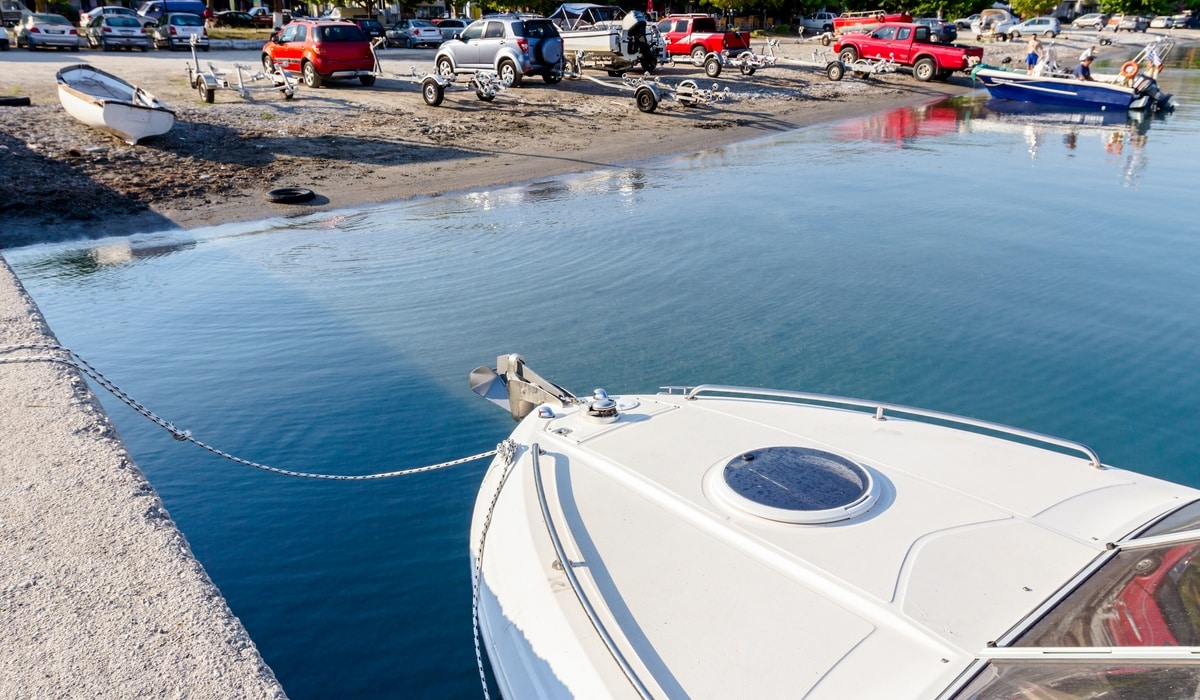
If you are trailering your equipment, whether that is ATVs, boats, or side-by-sides, the most important rule is to inspect and run everything before you leave, not when you are already at the trailhead or the put-in. Test the trailer lights. Check the hitch. Run the equipment through its paces in your driveway. Finding out something does not work when you are already two hours from home is a bad day. Finding out in your driveway is just a quick fix.
If you are looking for places to take your rig, check out my guide to the best off-roading spots in the Carolinas.
Fix Small Problems Before They Get Worse
A small tear in a tent or a fraying strap on a pack does not feel urgent until you are out in the rain and it becomes a real problem. These things get worse under real conditions, and the Carolinas will find every weak point in your gear. Rain comes fast here.
I keep a basic repair kit around: duct tape, a few patches, a small sewing kit, and a multi-tool. For sealing things that actually need to stay sealed, like off-road lights or any enclosure that needs a watertight bond, Lexel clear silicone caulk is worth having on hand. It stays flexible after it cures, which matters for anything that moves or takes vibration.
Gear Pick
Lexel Clear Silicone Caulk
If you need to seal something and keep it sealed, this is the one. Stays flexible after curing and holds up to the elements. Great for off-road lights, enclosures, or anywhere you need a real watertight bond.
View on AmazonFor motorized gear specifically, pay attention to sounds and changes in how things handle. Those are usually early signs of something worth looking at. Deal with it before the next trip.
Protect Your Gear From the Carolina Elements
The Carolinas are a wet, humid, high-UV environment. Gear built for the Pacific Northwest is designed for cold and wet. Gear built for the desert Southwest is designed for heat and dry. What we deal with here is a mix of heat, humidity, and rain that works on your equipment from multiple directions at once.
Waterproofing on tents, jackets, and boots needs to be refreshed on a schedule, not just when something stops working. By the time water is soaking in, you have already let the coating break down further than you should have. Reapply at the start of the season and again mid-season if you are getting out regularly.
For water activities on Lake Norman or anywhere else around here, a dry bag is one of those things that pays for itself the first time you actually need it. Phone, keys, wallet. Anything that cannot get wet goes in the bag.
Gear Pick
Dry Bag
Non-negotiable for kayaking, paddleboarding, or any water activity. Keeps phones, keys, and valuables dry when things get wet, and they will get wet.
View on AmazonOn the vehicle side, parking in shade and using covers when something is going to sit outside for a while goes a long way toward preserving rubber, paint, and anything UV-sensitive. Small habits like that add up over time.
Build a Routine That Actually Sticks
The after-trip cleanup is the hardest habit to build because you are usually beat when you get home. But it is the one that matters most. If you can get into the habit of cleaning and doing a quick inspection right after a trip instead of putting it off, you will catch problems while they are still small. You will also never have that pre-season moment where you pull something out of storage and realize it has been sitting wrong all winter.
I keep a simple checklist for after trips and a more thorough one for the start and end of each season. If checklists are not really your thing, even just building the habit of laying everything out and looking at it before it goes back into storage makes a difference. My camping trip checklist is a good starting point, and the remote trails gear checklist covers what you need when you are getting further out.
For motorized equipment, follow the manufacturer maintenance schedule. It exists for a reason, and in the Carolina climate skipping it tends to catch up with you.
Buy Smart, Then Buy Better
People debate expensive gear versus budget gear like it is one or the other. I do not think that is the right way to look at it. The real question is whether you have earned the upgrade yet.
When you are starting out, buy something quality but mid-range. Not the cheapest thing on the shelf, but something solid that will actually perform. Use it. Take care of it. Learn what you actually need from that piece of gear. When you have used it enough that it starts to wear out, that is the signal to step up. At that point you know exactly what to buy, you know how to take care of it, and you are not going to make the beginner mistakes that destroy expensive equipment.
Spending a lot on premium gear you do not know how to maintain, or that you are only going to use a handful of times a year, is just money gone. Your starter gear is also a learning tool. If something goes wrong with it, it is not a disaster. By the time you are ready for the good stuff, you will know what you are doing and it will last a lot longer because of it.
Get Out There
The Carolina Piedmont has more going for it than most people realize. Lakes, mountains, trails, off-road parks, and the coast all within a reasonable drive. Gear maintenance is not the exciting part of any of that, but it is what keeps the adventures going without anything going sideways on you. Take care of your kit and it will take care of you out there.
If you are looking for ideas on where to take it all, the Lake Norman State Park guide and the Uwharrie guide are good places to start.