This post contains Amazon affiliate links. When you purchase something from the link, I will receive a small commission to help support my blog. This comes at no cost to you; thank you!
Off-roading offers an exciting way to explore trails, remote landscapes, and challenging terrain that regular roads cannot provide. Whether you want to spend weekends on forest trails, tackle rocky paths, or enjoy backcountry adventures, off-roading delivers a unique combination of fun, skill development, and outdoor exploration. Before heading off the pavement, it helps to understand the basics, choose the right vehicle, and learn essential safety practices. With the right preparation, beginners can build confidence and enjoy the off-roading experience while reducing unnecessary risks.
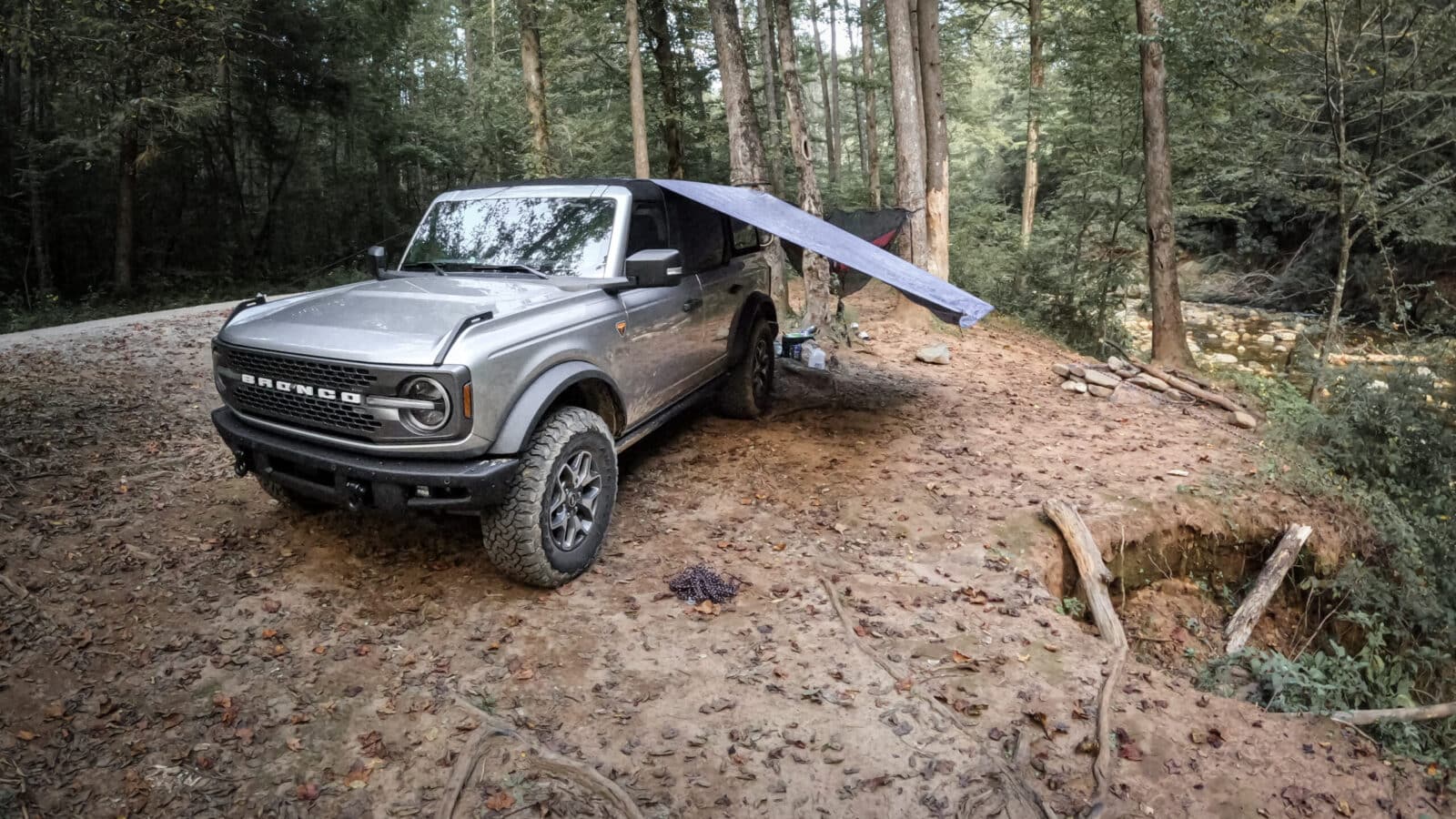
What Is Off-Roading?
Off-roading involves driving or riding a vehicle on unpaved surfaces such as dirt roads, sand, mud, rocks, gravel, and trails. Unlike traditional driving, off-roading requires drivers and riders to adapt to constantly changing terrain conditions.
Many people start with simple trails before progressing to more technical routes. This gradual approach allows beginners to improve their skills without feeling overwhelmed by difficult obstacles.
Off-roading can include several types of vehicles, including:
- SUVs and 4×4 trucks
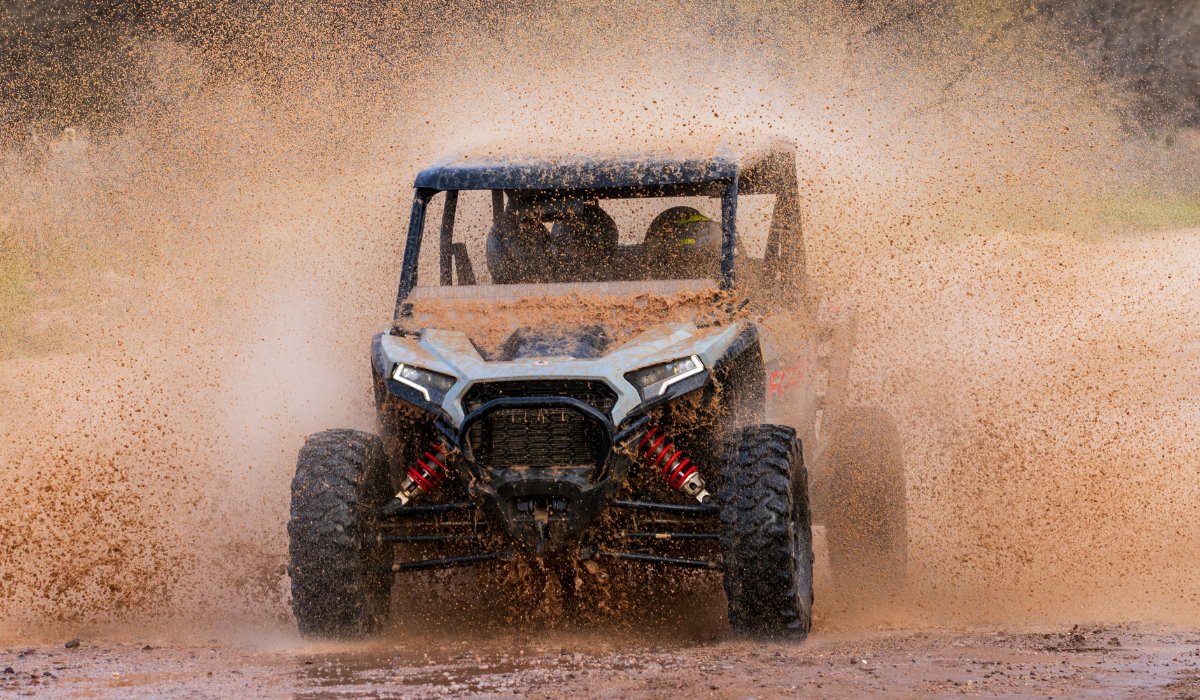
- ATVs and UTVs
- Dirt bikes
- Jeeps and purpose-built off-road vehicles
- An off-road motorbike or adventure bike
Each option offers a different experience, so your choice should match your goals, budget, and preferred terrain.
Choosing the Right Vehicle
Selecting the right vehicle plays a major role in your off-roading experience. Beginners often assume they need an expensive, heavily modified vehicle, but many stock 4×4 models perform well on beginner and intermediate trails.
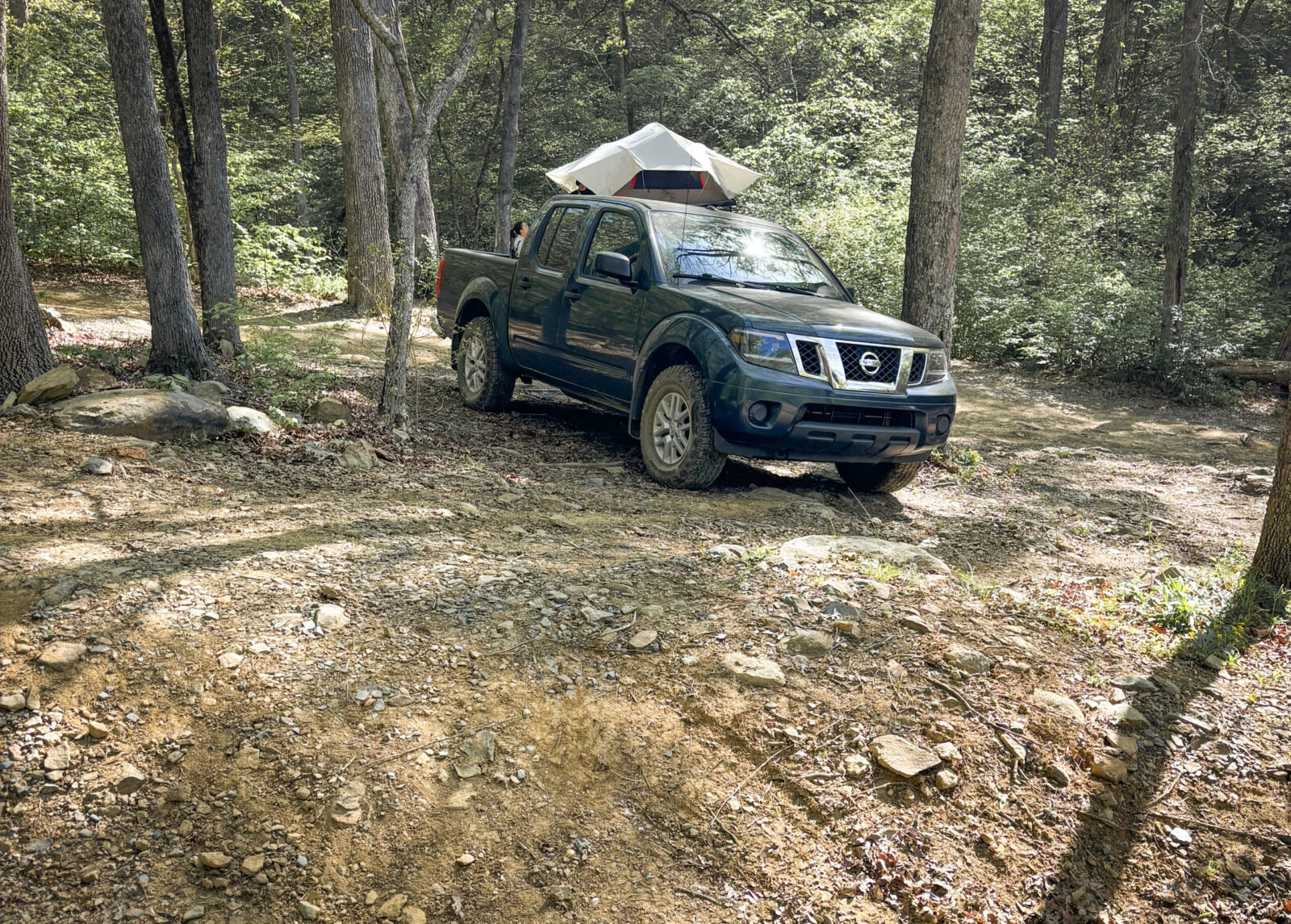
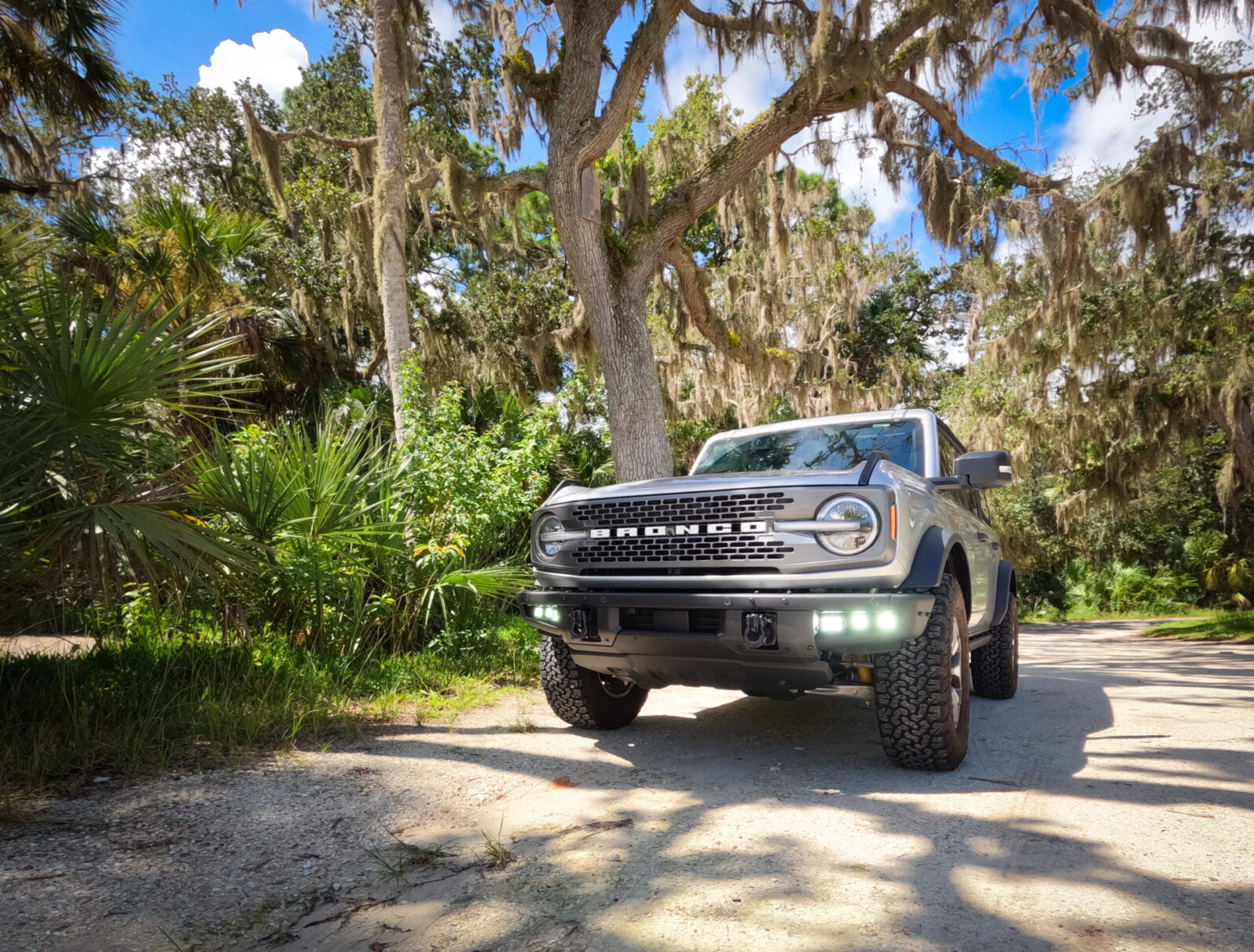
I learned this firsthand with my old Nissan Frontier — a completely stock truck aside from a set of off-road tires. I took it to Uwharrie National Forest more times than I can count, and it handled a lot more than I expected for a bone-stock rig. These days I run a Ford Bronco out there, which handles the technical stuff far more easily. But the Frontier taught me the real lesson: it’s less about the vehicle you start with and more about knowing what it can actually do before you push it. If you want to go deeper on getting your rig ready, I put together a full breakdown on outfitting your truck for off-roading.
When evaluating a vehicle, focus on:
Ground Clearance
Ground clearance determines how much space exists between the underside of the vehicle and the ground. Higher clearance helps you avoid damage when driving over rocks, ruts, and uneven terrain.
Four-Wheel Drive Capability
A true four-wheel-drive system improves traction on loose surfaces such as mud, sand, and gravel. Many beginner-friendly vehicles include selectable four-wheel-drive modes that make trail driving easier.
Tire Quality
Off-road tires provide better grip and durability than standard road tires. They improve traction and help vehicles handle rough terrain more effectively.
Reliability
Choose a dependable vehicle with a strong maintenance record. Mechanical issues become far more challenging when you find yourself miles away from the nearest paved road.
Essential Gear for Beginners
Successful off-roading requires more than just a capable vehicle. Carrying the proper equipment improves safety and helps you handle unexpected situations.
Some useful items include:
- Recovery straps — I run a Rhino USA kinetic recovery strap
- A first-aid kit
- Tire repair tools
- Portable air compressor
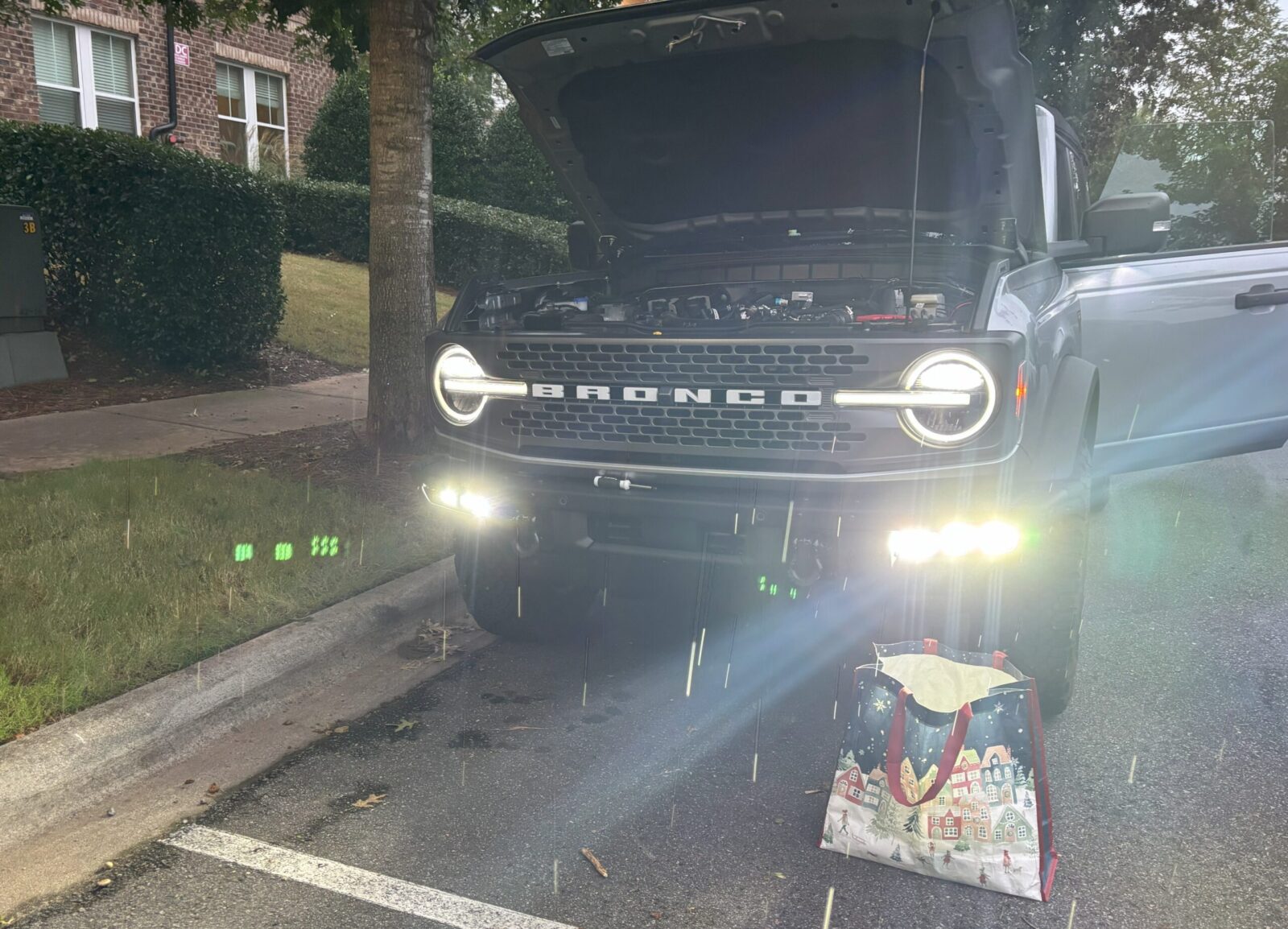
- Flashlight, headlamp, or auxiliary off-road lights for your rig
- Extra water and snacks
- Navigation device or GPS
- Work gloves
- Basic tool kit
- Portable jump starter
Many beginners overlook recovery gear until they become stuck. Even easy trails can present challenges after rain or changing weather conditions. It’s also worth knowing how to handle the bumps and bruises that come with trail mishaps before you need to — I put together a guide to the most common camping injuries and how to handle them.
Learn Basic Off-Road Driving Techniques
Off-road driving differs significantly from driving on pavement. Learning a few fundamental techniques can improve your confidence and reduce the chances of vehicle damage.
Maintain Steady Momentum
Steady momentum helps vehicles move through obstacles without excessive wheel spin. Sudden acceleration often reduces traction and increases the likelihood of getting stuck.
Look Ahead
Focus on the trail ahead rather than directly in front of the vehicle. Looking farther down the trail gives you more time to identify obstacles and choose the best path.
Use Low Range When Needed
Many four-wheel-drive vehicles include a low-range setting. This feature provides more torque and better control during steep climbs, descents, and technical sections.
Drive Smoothly
Smooth steering, braking, and throttle inputs help maintain traction. Aggressive movements can upset vehicle balance and make obstacles harder to navigate.
Understanding Different Types of Terrain
Every off-road surface requires a different approach. Learning how terrain affects vehicle behavior helps you make better decisions on the trail.
Mud
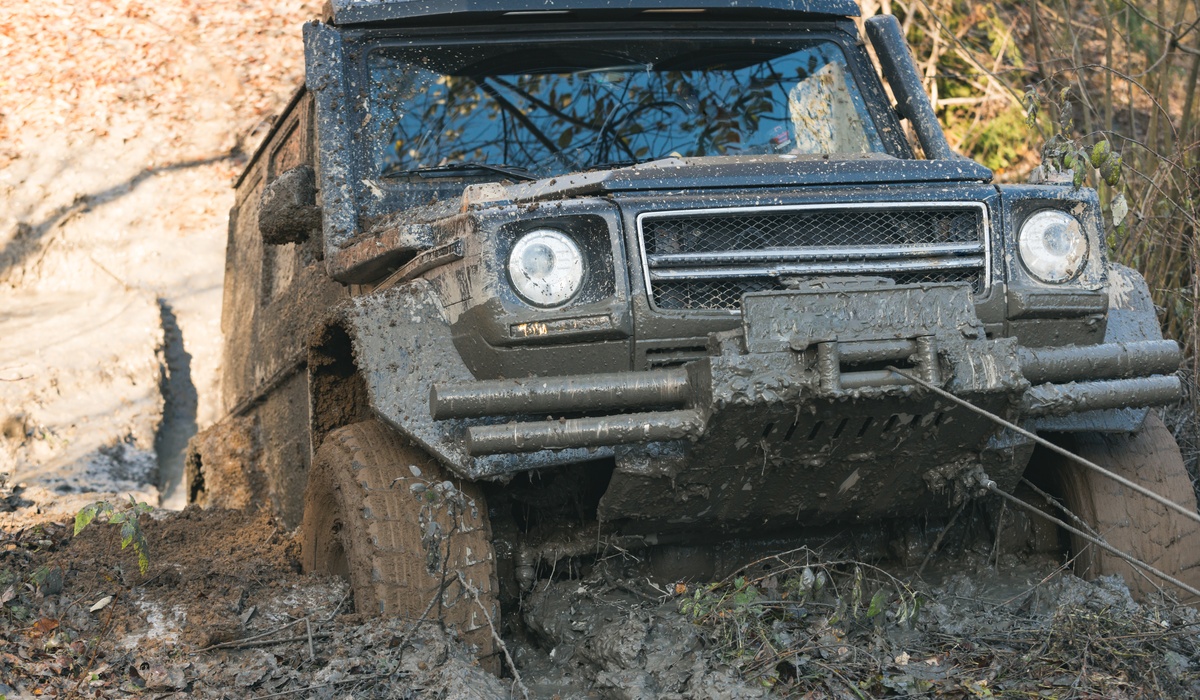
Mud can vary from shallow puddles to deep, vehicle-swallowing pits. Keep momentum consistent and avoid sudden steering movements. If possible, inspect muddy sections before driving through them.
Sand
Sand demands momentum and proper tire pressure. Before I even reach the trailhead, I air down to match the terrain — it’s one of the first things I do at Uwharrie. Lowering your pressure increases the tire’s contact area and improves flotation over sand, mud, and rocks alike. Just make sure you’ve got a way to air back up before you’re back on pavement.
Rocks
Rocky trails require patience and careful wheel placement. Drive slowly and pay attention to obstacles that could damage tires or undercarriage components. One rule I stick to: when you’ve got a choice, drive over a boulder rather than letting it pass underneath the vehicle, unless it’s sharp enough to risk a tire. A rock going under your rig is a rock that can hit your differential, and that’s a repair you don’t want.
Water Crossings
⚠️ Real Talk: Water crossings can be deceptively dangerous. If you don’t know how deep the water is, don’t cross it — deep enough water can pull straight into your engine’s air intake, and when that happens, you can hydrolock the engine almost instantly. I’ve seen it happen to someone else’s truck at Brown Mountain: a nice Tacoma, hydrolocked, with a repair bill that ran well into five figures and no warranty coverage to help. When in doubt, walk the crossing first or turn around.
Snow
Snow creates unpredictable traction conditions. Drive cautiously, leave extra stopping distance, and carry recovery equipment whenever you travel in snowy environments.
Safety Tips Every Beginner Should Follow
Safety should remain a priority during every off-road trip. Even experienced enthusiasts prepare carefully before entering remote areas.
Travel With Others
Whenever possible, avoid traveling alone. Another vehicle can assist with recovery efforts, mechanical problems, or emergencies. I’ve been to Uwharrie plenty of times solo for camping and hiking, but I’ve never gone off-roading out there by myself — and I wouldn’t recommend it, especially if you’re new to the hobby. Get stuck solo and your options aren’t great: you’re either hiking out for a cell signal, or blowing up the local Facebook off-road groups begging someone to come pull you out. That’s the good outcome. Worse case, nobody’s around to help and you’re paying a tow company a small fortune to come get you. It’s also worth making sure someone in your group actually has recovery gear — if everyone shows up empty-handed, having two vehicles instead of one won’t do you much good when it’s time to get unstuck.
Tell Someone Your Plans
Inform a friend or family member about your destination and expected return time. This simple step can make a significant difference during emergencies.
Wear Proper Safety Equipment
Always wear seat belts and appropriate protective gear. Riders should wear helmets, gloves, eye protection, and suitable riding apparel.
Stay Within Your Skill Level
Many beginners attempt difficult trails too soon. The only real way to learn what your vehicle — and you — can handle is by getting out there, but start on the easy, established trails before working up to the technical stuff. In my experience, the two places beginners get into the most trouble are big rocks and water crossings — more on handling both above. Going too fast is another common mistake; speed doesn’t buy you much out here the way it might on pavement. On a trail you don’t know well, don’t go rock crawling or pushing limits right out of the gate — you’re far more likely to break something on unfamiliar terrain than on a trail you’ve already got a feel for. Building experience gradually allows you to learn important techniques while avoiding unnecessary risks.
Trail Etiquette and Responsible Off-Roading
Every time I head to Uwharrie, grabbing a trail pass and checking the current rules is non-negotiable before I hit the trail. Regulations and permit requirements vary by location, so don’t assume the rules at one trail system carry over to the next.
Responsible off-roading helps preserve trails and ensures future access for everyone. Land managers often close areas when visitors fail to respect the environment.
Follow these basic principles:
- Stay on designated trails
- Avoid damaging vegetation
- Pack out all trash
- Respect wildlife
- Yield appropriately to other trail users
- Follow local regulations
Responsible behavior protects natural areas and helps maintain positive relationships between off-road enthusiasts and land management agencies.
Vehicle Maintenance Before and After Every Trip
Routine maintenance plays a crucial role in off-road reliability. Trail conditions place additional stress on vehicles, making inspections especially important.
Before every trip, check:
- Tire condition and pressure
- Fluid levels
- Battery connections
- Suspension components
- Recovery points
- Lights and electrical systems
After returning home, inspect the vehicle for damage, remove accumulated mud, and address any issues immediately. Regular maintenance helps prevent small problems from becoming expensive repairs.
Building Your Off-Road Skills
Off-roading rewards continuous learning. Every trail presents new challenges and opportunities to improve.
Consider joining local off-road clubs or community groups. Experienced members often share valuable knowledge about trail selection, recovery techniques, equipment choices, and vehicle setup. Organized events also provide opportunities to practice skills in a supportive environment. If you’re looking for a place to start, I rounded up my favorite off-roading locations in the Carolinas — a good mix of beginner-friendly and more technical trails to grow into.
Training courses can further accelerate your development. Many professional instructors teach vehicle control, recovery procedures, navigation skills, and trail safety. Structured instruction often helps beginners gain confidence more quickly than trial and error alone.
Quick Recap Before You Head Out:
- Air down before sand, mud, or rocks — and bring a way to air back up
- Drive over boulders, not under them, to protect your differential
- Never guess on water crossings — if you don’t know the depth, don’t cross
- Don’t go off-roading solo, especially your first few times out
- Grab your trail pass and check local regulations before you go
- Start on established beginner trails before working up to technical terrain
Hitting the Dirt Road
Starting your off-roading journey does not require years of experience or a heavily modified vehicle. Success comes from preparation, patience, and a willingness to learn. By choosing the right vehicle, carrying essential gear, understanding terrain types, and following safe driving practices, you can enjoy memorable adventures while minimizing risks. Take your time, respect the trails, and focus on building skills gradually. With a solid foundation in place, you will feel more comfortable exploring new destinations and tackling increasingly challenging terrain. That’s exactly how it went for me — from a stock Nissan Frontier learning the ropes at Uwharrie to a Bronco that handles a lot more today. I still miss that old truck some days, but the vehicle changes, the fundamentals don’t.