This post contains Amazon affiliate links. When you purchase something from the link, I will receive a small commission to help support my blog. This comes at no cost to you; thank you!
Ever notice how you promise yourself you’ll get outside more, then the day disappears between work, errands, and screens? The easiest way to change that pattern is to build small habits around hobbies that help you spend more time outside.
When your free time already involves fresh air, you don’t need extra motivation or a big trip. A quick bird walk, a backyard project, or a night under the stars all count. The goal is simple: give yourself enough outdoor options that going outside feels as normal as flipping on the TV.
Trail Running
Trail running keeps you outside longer than a typical sidewalk run because the terrain constantly changes. Pavement offers a flat, predictable surface. Trails shift under your feet with hills, loose dirt, packed gravel, and tight turns. That variation forces your body to adjust stride, pace, and balance in real time. The effort feels athletic and focused instead of repetitive.
Distance also feels different on a trail. Two miles through wooded paths demand more from your legs and lungs than the same distance on a sidewalk. Trails like those in the Uwharrie National Forest are a great example of terrain that challenges you in all the right ways. Elevation gain builds strength and endurance at the same time. Over weeks of consistent runs, stamina improves, recovery gets faster, and outdoor miles start stacking up naturally.
Gardening
Gardening gives you a reason to step outside on a regular schedule. Plants follow a growth cycle that requires consistent attention. Soil needs preparation before planting. Seeds and seedlings need watering several times a week. Weeds compete for nutrients and must be removed before they spread. Each task pulls you back outdoors for short, focused periods that add up over time.
And don’t think gardening is only a spring and summer activity. Plants need care year-round. Spring centers on planting. Summer brings watering and harvesting. Fall focuses on cleanup and soil care. Even winter includes planning and light maintenance in many regions. Here’s a rundown of things to do in winter to prepare for a spring garden. That ongoing cycle makes outdoor time part of your weekly routine instead of an occasional activity.
Birdwatching
Birdwatching keeps you outside because wildlife follows its own schedule. Early mornings and late afternoons turn into natural windows for stepping out the door. Local parks, ponds, and tree-filled neighborhoods become regular stops as you check in on the same spots each week. The more species you recognize, the more you want to return and see what changes.
Migratory seasons add another layer of outdoor time. Spring brings new arrivals, and fall sends them back along different routes. Tracking those patterns means frequent walks, short drives to nearby habitats, and quick stops at lookout points. A simple habit of logging what you see turns casual strolls into consistent time in fresh air.
Nature Photography
Nature photography pulls you outside because the best light doesn’t wait. Sunrise, golden hour, and even overcast afternoons all create different looks, so you step out at specific times to catch them. That routine turns into regular walks through local parks, trails, and even your own neighborhood as you scout interesting spots.
You start paying attention to small details. New leaves on a tree, changing cloud patterns, or seasonal flowers become reasons to head out for a quick photo session. Revisiting the same locations during different seasons gives you fresh subjects without needing to travel far. Over time, the habit of “checking the light” or “seeing what’s blooming” keeps you outdoors on a consistent basis.
Day Hiking Loops
Day hiking gives you a clear way to schedule regular outdoor time without planning a full trip. When you pick a few local loop trails and treat them as “your” routes, you step outside on a predictable weekly rhythm. If you’re in the Charlotte area, here are 7 local trails to get you started. Short after-work hikes and slightly longer weekend walks stack up fast when you repeat them through the month.
This hobby stays interesting because the same trail rarely feels the same twice. Weather, light, and seasonal changes adjust how each hike feels, so you keep going back out to see what shifted since your last visit. As your comfort grows, you stretch the distance or add a little more elevation, and your default way to move your body becomes “go outside and hike.”
Stargazing
Stargazing keeps you outside after dark, when most people head back indoors. Clear nights turn into easy excuses to step into the yard, driveway, or a nearby park. A simple routine of checking the sky for planets, constellations, or passing satellites builds a habit of spending more evenings in fresh air instead of on the couch.
Regular events give you even more outdoor time. Meteor showers, lunar eclipses, and seasonal constellations show up on a predictable schedule, so you plan short nighttime sessions around them. Over time, you start staying out longer to let your eyes adjust, notice dimmer stars, and track how the sky changes through the seasons.
Beekeeping
Apiaries require year-round care, so a beekeeping hobby will keep you outside season after season. You’ll find yourself performing inspections, feeding colonies, or just watching them depart and return. Regular hive checks create a steady rhythm of outdoor time as you watch brood patterns, look for pests, and track honey stores. Seasonal tasks in spring, summer, and fall keep you moving between boxes and adjusting equipment as colonies grow and shift. Even on quiet days, a quick walk to the hives to watch entrance traffic gives you a few extra minutes in the fresh air. Check your local regulations before starting a hive, and be aware of sting allergy risks.
Backyard Camping
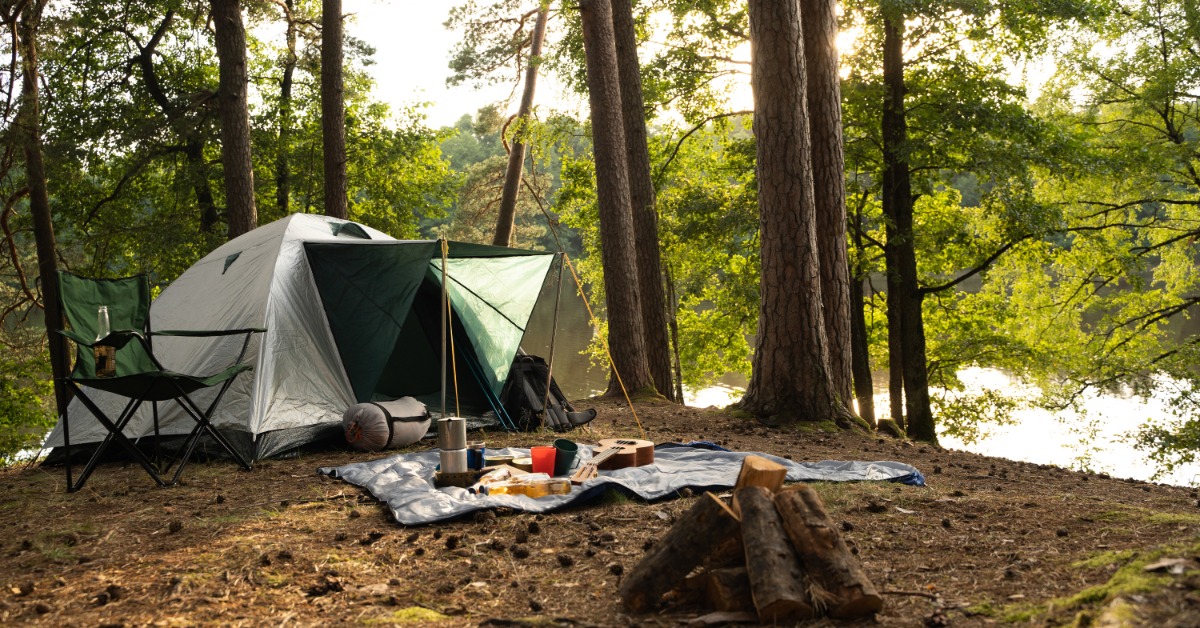
Backyard camping keeps you outside for long stretches instead of quick trips in and out of the house. Setting up a sleeping area, arranging chairs around a small fire pit or lantern, and planning an evening outside turns your yard into a regular overnight spot. Need help figuring out what to bring? Check out this camping checklist to keep it simple. If you plan to use a fire pit, brush up on Carolina fire safety basics first. Time outside stretches from late afternoon into the night as you cook, talk, and wind down under the sky instead of in front of a screen.
This hobby works on repeat. Weekends, school breaks, or quiet weeknights become easy camping opportunities that don’t require travel. You step out to check the weather, tidy the space, and adjust your setup as seasons change. Over time, you start spending more evenings outdoors by default because your backyard feels like a regular campsite, not just a patch of grass.
Bringing Outdoor Time into Everyday Life
Small hobbies can change how you spend your time without turning your schedule upside down. A camera by the door, a garden plan, or gear that lives in the trunk of your car all make it easier to say yes to fresh air. Start with one or two hobbies from this list and see how they change your week. Over a few months, you’ll notice that being outdoors feels like your default, not an exception. If you’re looking for more ideas or specific places to explore, head over to my Blog Articles for trail guides, gear picks, and adventures across the Carolinas.