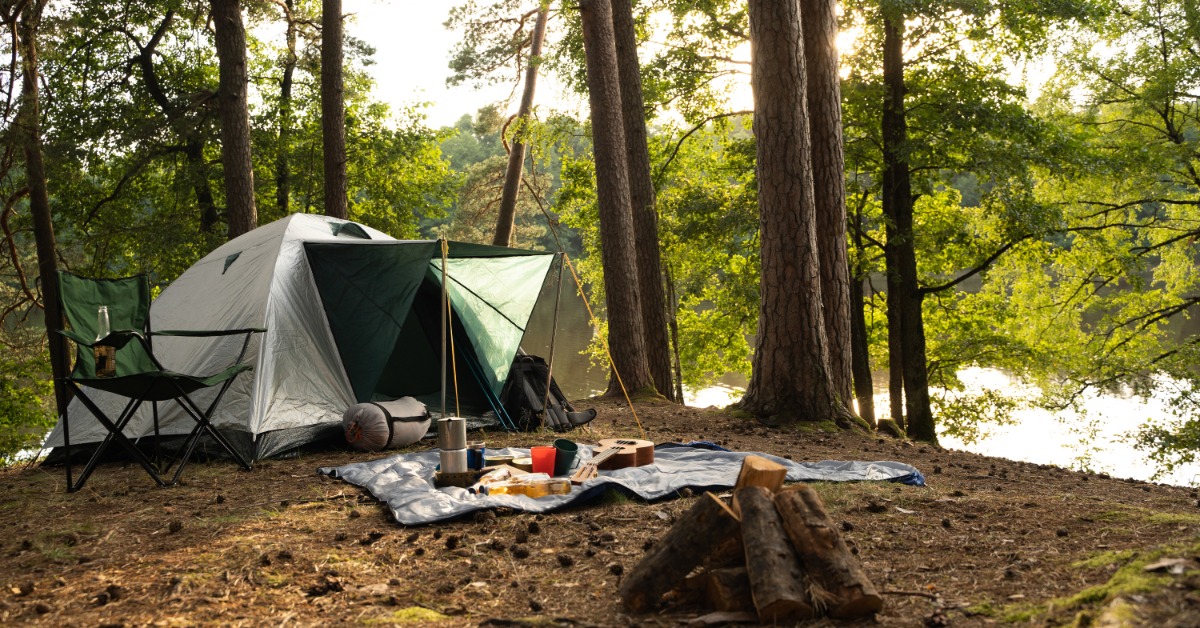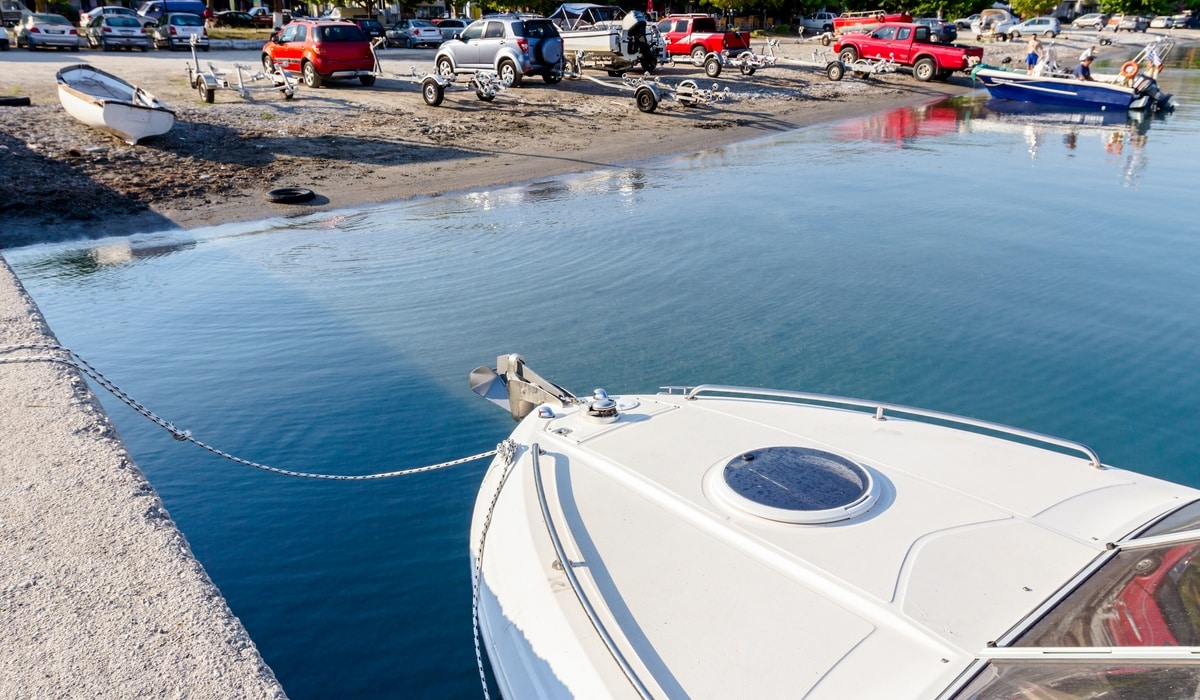
A weekend by the water shifts your mood, steadies your thoughts, and creates space to breathe when life feels nonstop and emotionally overwhelming. For those navigating the busy pace of the Charlotte metro area, finding a moment of stillness is a challenge as responsibilities stack and several directions pull your attention at once. Choosing to experience what a waterfront weekend can do for your mental health reframes that pause as an intentional necessity. Whether you are heading toward the coast or the mountains, the environment provides a foundation for mental clarity that urban settings cannot replicate.
Water changes the atmosphere of a place in ways that are difficult to ignore. The horizon widens, light moves across open surfaces without obstruction, and the air carries motion instead of confinement. As visual and physical space expands, the body tends to follow, adjusting its pace without being told to do so. That subtle alignment between the environment and movement creates a foundation for everything that follows.
Exploring the Restorative Waterways of the Carolinas
The Carolinas offer a diverse range of aquatic environments, from the high-elevation waterfalls of the Blue Ridge to the expansive Piedmont reservoirs and the coastal Lowcountry. These settings feel distinct because they lack the densely structured boundaries of a city. Standing near a shoreline at a place like Lake Norman or the Catawba River introduces steady motion and visual depth that contrasts with the fragmentation of a daily routine. Instead of competing signals demanding a response, the continuity of the water allows your attention to settle without strain, providing a natural reset for any outdoor adventurer.
A Shift in Tempo
Waterfront settings influence the pace of interaction in ways that feel organic rather than imposed. Allowing conversations to stretch longer, pauses become comfortable, and the pressure to fill silence begins to loosen.
Without walls pressing inward or screens demanding engagement, posture adjusts and breathing steadies in response to openness. The day no longer feels compressed, and life could feel doable again.
Sensory Presence Without Overload
Sound behaves differently near water, carrying rhythm instead of sharp interruption. The steady hush of waves or wind replaces mechanical noise with something continuous, which shifts the overall tone of a setting.
Light reflects and moves across the surface in patterns that feel dynamic yet grounded, drawing attention outward rather than downward. A breeze carries texture that indoor air cannot replicate, whether warm and coastal or cool and lakeside. The senses remain engaged, and people are present at the moment.
Gentle Movement That Feels Inviting
Walking along the shore, stepping into a kayak, or taking a relaxed boat ride, can introduce activity without urgency. Trying something new in that setting feels less performative, as there is room to pause and adjust without pressure. Exploration becomes gradual rather than competitive, allowing confidence to build in ways that feel steady and self-directed.
Broadening the Waterfront Experience
Looking beyond our local shorelines helps deepen your appreciation for how water shapes community life and leisure across the country. While many locals stay close to home, travelers might also explore the best boating areas on Lake Michigan to see how the Great Lakes offer a different scale of open-water routes. Encountering these various harbor towns illustrates how recreation and ease coexist regardless of the geography.
However, whether you are navigating the intricate shorelines of Lake Keowee or the historical maritime routes of the Outer Banks, water invites both activity and reflection. The setting holds both without forcing a choice between them.
Connection in Open Air
Moving conversations outdoors shifts their tone, especially when experiencing open water rather than an enclosed space. Without constant digital interruption or confined acoustics, listening becomes easier, with intention, and responses feel less hurried.
Shared meals overlooking a lake or quiet evenings near the shoreline create room for presence rather than multitasking. Time stretches in ways that feel organic, allowing stories to unfold fully rather than in fragments.
Choosing To Unplug
Establishing boundaries around technology reinforces the atmosphere created by the water. A screen-free morning or device-free dinner shifts focus back to immediate surroundings and shared experience.
Without constant alerts dividing attention, interactions feel layered instead of partial among the group. Uninterrupted silence carries its own weight, as disconnection from devices becomes reconnection with yourself and those around you.
Rest as an Active Choice
Rest near water feels amazing. A sunrise walk or an afternoon spent watching light shift across the surface carries quiet purpose while remaining unhurried.
Simple rituals gain depth in that context, whether it is coffee facing the horizon or a book read without interruption. The experience feels complete without embellishment. It matters without requiring anything additional.
- Dedicate one morning to digital silence
- Spend at least 30 minutes in view of open water
- Add light movement such as walking or stretching
- Leave space for uninterrupted conversation
These choices reinforce the slower tempo introduced by the setting.
Creativity and Perspective
Open landscapes tend to encourage expansive thinking because the eye is no longer confined to tight boundaries or constant visual interruption. When nothing pulls your attention in multiple directions at once, thoughts find the space to unfold, connecting in ways that feel intuitive rather than forced.
Waterfront settings support that spaciousness by providing movement without urgency, allowing reflection to happen alongside observation rather than in competition with it. Perspective widens not through a dramatic revelation, but through quiet recalibration, as a broader vantage point reshapes your view of familiar concerns. What once felt immediate can begin to feel contextual.
Distance From Routine
Even a short drive from the center of Charlotte to a nearby shoreline creates an immediate separation from the cues that normally signal obligation. This physical shift carries significant psychological weight as the urban skyline disappears in the rearview mirror.
While your responsibilities do not vanish, they lose their intensity when you remove them from their usual backdrop. The environment alters your perception in ways that feel steady and grounded, reframing your daily concerns within a much wider, more manageable landscape.
Carrying the Cadence Home
The true value of what a waterfront weekend can do for your mental health lies in the “after-effect.” Carolina adventurers who spend regular time near the water report higher levels of creativity and lower rates of burnout. By treating our lakes, rivers, and coastlines as essential wellness infrastructure, you ensure that your “outdoor life” supports your “work life” in a sustainable way.
An evening walk near a pond, a seasonal coastal retreat, or simply anticipating the next visit can reintroduce the sense of openness first felt at the water’s edge. The shoreline becomes part of memory as well as geography. In that way, the weekend extends beyond itself.